
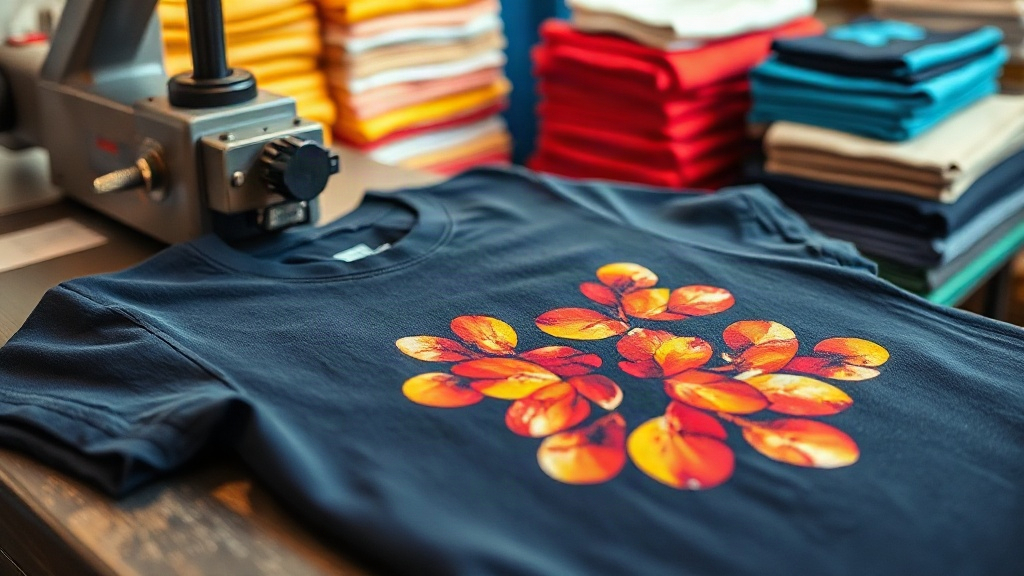
When you peel a DTF transfer off its film and see a vibrant, crack-free image, that moment feels like magic. But behind every flawless print lies a critical choice: the blank itself. Not all blanks are created equal, and if you've ever watched a beautiful design fade, crack, or peel after a few washes, you know the sting of a bad match. That's where smart blanks come in. These specially engineered garments are designed to work in harmony with DTF transfers, giving you professional results that last. In this guide, we'll explore why smart blanks matter, how brands like Shaka Wear fit into the picture, and how you can achieve retail-quality prints every time.
What Are Smart Blanks and Why Do They Matter for DTF Transfers?
Smart blanks are garments manufactured with specific characteristics that optimize them for direct-to-film printing. Unlike standard blanks, they undergo special treatments or are made from fabric blends that enhance ink adhesion, color vibrancy, and wash durability. When you apply a DTF transfer to a smart blank, the adhesive powder in the transfer bonds more effectively with the fabric fibers, resulting in a smoother, more durable finish.
Why does this matter? Because DTF printing has exploded in popularity for its versatility and low setup costs. But it's not foolproof. A poor-quality blank can sabotage even the best transfer. Smart blanks eliminate common issues like:
- Ink bleeding: Some fabrics cause the ink to spread, blurring fine details.
- Poor adhesion: If the fabric is too slick or has a finish, the transfer may peel.
- Cracking: Low-quality cotton or rough textures can cause the print to crack when stretched.
- Fading: Without proper fabric treatment, colors can dull after washing.
By choosing smart blanks, you're setting your project up for success from the start. These garments are typically preshrunk, have a tight weave, and are often made from 100% ring-spun cotton or high-quality blends. They provide a smooth canvas that lets your DTF transfers shine.
Shaka Wear: A Smart Choice for DTF Printing
If you're in the market for smart blanks, Shaka Wear is a brand you need to know. Known for their heavyweight, durable apparel, Shaka Wear garments have become a favorite among streetwear brands, screen printers, and DTF enthusiasts alike. Their tees, hoodies, and crewnecks are crafted from premium cotton and cotton-poly blends that hold up beautifully under heat press temperatures.
What makes Shaka Wear a smart blank? Several factors:
- Heavyweight fabric: Their 6.0 oz and 7.0 oz tees provide a substantial feel that resists stretching and distortion.
- Consistent quality: Each batch is tightly quality-controlled, so you get the same great results order after order.
- Smooth surface: The tight knit and soft hand of Shaka Wear garments allow DTF transfers to adhere evenly without texture interference.
- Colorfastness: Their dyeing process ensures colors stay rich, providing a great backdrop for vibrant prints.
When you pair Shaka Wear with high-quality DTF transfers, you're combining two powerhouses. The result? Prints that look like they were screen-printed but with the flexibility and detail of digital printing.
Choosing the Right Shaka Wear Garment for Your Project
Shaka Wear offers a range of styles, so consider your end use. For a classic tee, the Shaka Wear Max Heavyweight is a beast. For hoodies, their fleece options are plush and take transfers well. Always check the fabric content: 100% cotton works best for DTF, but cotton-poly blends (50/50 or 60/40) also perform well if the poly content isn't too high. Avoid garments with silicone finishes or water-repellent coatings, as these will prevent proper adhesion.
How to Apply DTF Transfers to Smart Blanks for Best Results
Even with the best smart blanks and Shaka Wear garments, application technique matters. Follow these steps for flawless results:
- Pre-press the garment: This removes moisture and wrinkles. Press for 5-7 seconds at 300°F (150°C) with medium pressure.
- Position the transfer: Place your DTF transfer on the garment. If you're using a heat press, ensure the transfer is flat and secure.
- Press: Set your press to 300-325°F (150-160°C) with medium-heavy pressure. Press for 10-15 seconds.
- Peel: Wait for the transfer to cool completely (cold peel) or peel while warm (hot peel) depending on the film's instructions. Most DTF transfers are cold peel.
- Post-press: For extra durability, cover the print with parchment paper and press again for 5-10 seconds. This ensures the adhesive fully cures.
Always test on a scrap piece first. Different fabrics and transfer brands may require slight adjustments. With Shaka Wear, you'll often find that a slightly lower temperature works well to avoid scorching, especially on darker colors.
Common Mistakes to Avoid with DTF Transfers
Even seasoned printers slip up. Here are pitfalls to sidestep:
- Not pre-pressing: Skipping this step traps moisture, causing steam that ruins adhesion.
- Using too much pressure: This can flatten the fabric and cause ink to spread.
- Peeling too early or too late: Follow the transfer's peel instructions precisely.
- Washing too soon: Wait at least 24 hours before washing to let the adhesive cure fully.
- Using fabric softener: This coats fibers and breaks down the bond over time. Skip it for DTF-printed garments.
By avoiding these, your DTF transfers on smart blanks will stay vibrant for the life of the garment.
Why Smart Blanks and Shaka Wear Are a Winning Combination
Put simply, smart blanks and Shaka Wear are made for each other. The engineering behind smart blanks ensures optimal print performance, while Shaka Wear's reputation for quality means you're starting with a superior product. Together, they reduce waste, boost customer satisfaction, and elevate your brand's professionalism. Whether you're printing for a small business, a band, or a personal project, this duo delivers.
Moreover, investing in quality blanks pays off. Cheap blanks may save a few cents upfront, but when a print fails, you lose far more in time, materials, and reputation. Smart blanks are an investment in your craft.
Frequently Asked Questions About Smart Blanks and DTF Transfers
What exactly are smart blanks, and how do they differ from regular blanks?
Smart blanks are garments engineered with specific fabric treatments, weaves, and fiber compositions that optimize them for digital printing methods like DTF. They typically feature tighter weaves, preshrunk cotton, and no interfering finishes, which enhance ink adhesion and durability. Regular blanks may have inconsistent surfaces or coatings that lead to poor transfer results.
Can I use Shaka Wear garments for DTF printing without any special preparation?
Yes, Shaka Wear garments are excellent for DTF printing right out of the bag. However, always pre-press to remove moisture and wrinkles. Their heavyweight cotton and cotton-poly blends provide a smooth surface that accepts DTF transfers beautifully. Just avoid fabric softeners and ensure proper heat press settings.
How do I ensure my DTF transfers don't crack after washing?
To prevent cracking, start with a smart blank or a high-quality garment like Shaka Wear. Apply the transfer with correct temperature, pressure, and time. Post-press for extra durability, and always wash the garment inside out in cold water. Avoid bleach and fabric softener, and tumble dry low or hang dry.
Are DTF transfers on smart blanks more expensive than other printing methods?
While smart blanks may cost slightly more than basic blanks, the overall cost of DTF printing is often lower than screen printing for small to medium runs. You save on setup fees and can print full-color designs without minimums. When you factor in the durability and quality, DTF on smart blanks is a cost-effective choice.
Where can I buy smart blanks and Shaka Wear garments?
Many online retailers and local distributors carry Shaka Wear and other smart blank brands. Look for wholesalers that specialize in blank apparel for printing. Always check reviews and order samples to ensure the quality meets your standards. Once you find a reliable source, stick with it for consistent results.