
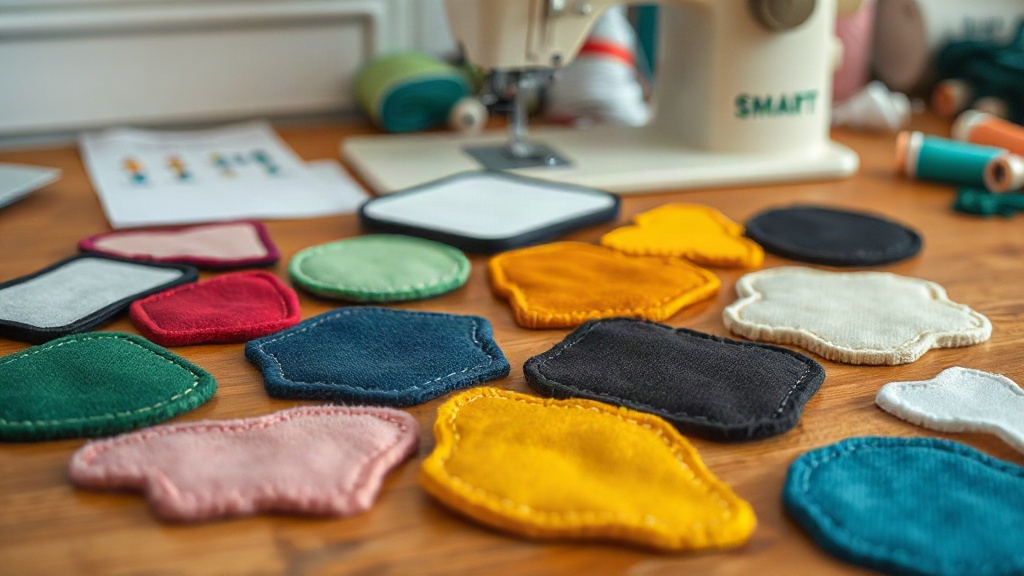
In the world of custom patches, efficiency and personalization often seem at odds. Traditional methods require you to choose a base fabric and then embroider or print your design onto it, which can be time-consuming and limit creative freedom. But what if you could have a blank canvas that adapts to your design, rather than the other way around? Enter smart blanks, a innovative approach that's reshaping how patches are made and ordered. Whether you're a business looking to brand uniforms or an individual creating a one-of-a-kind piece, understanding smart blanks can save you time, money, and frustration.
What Are Smart Blanks?
At their core, smart blanks are pre-manufactured patch bases that are designed to receive customization through various techniques, such as embroidery, printing, or even heat transfer. Unlike traditional blanks that might be simple pieces of fabric, smart blanks incorporate advanced materials and construction to enhance durability, color vibrancy, and application versatility. They come in a range of shapes, sizes, and backing options, ready to be personalized.
The "smart" aspect lies in their engineered properties. For example, some smart blanks feature a special coating that improves ink adhesion for printing, while others have a weave optimized for high-density embroidery. This means your final patch looks better and lasts longer, regardless of the customization method.
The Evolution from Traditional Blanks
Traditional blanks have been around for decades. They are typically made from materials like twill, felt, or canvas, and while they work, they often require additional steps like applying adhesive or stitching edges. Smart blanks streamline the process by coming pre-finished with edges sealed, backings attached, and surfaces primed for decoration. This reduces production time and minimizes waste, making them a more sustainable choice as well.
Why Smart Blanks Matter for Your Custom Patch Project
If you're ordering custom patches, whether for a business, event, or personal use, smart blanks offer several compelling advantages. Let's explore the key benefits.
1. Unmatched Design Flexibility
With smart blanks, you're not limited by the base material's color or texture. Many smart blanks are available in neutral tones that serve as a perfect canvas for vibrant threads or prints. This means your design's colors pop exactly as intended. Additionally, smart blanks can accommodate complex designs with fine details, as their surfaces are engineered to hold intricate stitches or high-resolution prints without distortion.
For instance, if you're creating a patch with a gradient or photographic image, a smart blank designed for printing will ensure smooth transitions and accurate color reproduction. On the other hand, if you want a classic embroidered look, a smart blank with a tight weave will prevent puckering and support dense stitching.
2. Time and Cost Efficiency
Traditional patch-making often involves multiple steps: cutting fabric, treating edges, and applying backings. Smart blanks eliminate these steps because they arrive ready to use. This reduces labor costs and turnaround times, which is crucial for businesses that need patches quickly for uniforms, promotions, or events.
Moreover, smart blanks minimize material waste. Since they are pre-cut and pre-finished, there's less leftover fabric and fewer rejects due to uneven edges or improper backing. This efficiency translates to cost savings that can be passed on to you.
3. Enhanced Durability and Quality
Smart blanks are built to last. They often use high-tenacity threads, reinforced edges, and durable backings that withstand repeated washing, abrasion, and exposure to elements. This is particularly important for patches on uniforms, outdoor gear, or tactical equipment.
For example, a smart blank with an iron-on backing uses a high-quality adhesive that bonds securely to fabric and resists peeling after multiple washes. Similarly, smart blanks for embroidery have a stable structure that prevents the patch from curling or fraying over time.
4. Versatility in Application
Whether you need sew-on, iron-on, hook-and-loop (Velcro), or adhesive-backed patches, smart blanks come in all these configurations. This versatility means you can choose the application method that best suits your needs without compromising on design or quality.
Hook-and-loop smart blanks, for instance, are ideal for tactical gear or uniforms where patches need to be swapped out frequently. The hook side is attached to the blank, and the loop side is sewn onto the garment, allowing for easy interchangeability.
How to Choose the Right Smart Blank for Your Needs
Not all smart blanks are created equal. Selecting the right one depends on your specific project requirements. Here are key factors to consider:
- Material: Common options include polyester, cotton blends, and nylon. Polyester is durable and colorfast, making it great for outdoor patches. Cotton blends offer a softer feel, suitable for fashion apparel. Nylon is lightweight and strong, often used for athletic gear.
- Backing Type: Decide between sew-on, iron-on, adhesive, or hook-and-loop. Sew-on is the most secure and permanent, while iron-on is convenient for quick application. Adhesive is temporary and best for events. Hook-and-loop offers flexibility for swapping designs.
- Size and Shape: Smart blanks come in standard shapes (circle, square, oval) and custom shapes. If you need a unique shape, ensure the supplier can provide it or that you can cut the blank without compromising the edge seal.
- Customization Method: Will you embroider, print, or use heat transfer? Each method has specific requirements. For embroidery, choose a blank with a tight weave and stable backing. For printing, opt for a smooth, coated surface.
- Color: While many smart blanks are white or black, some come in other colors. If your design requires a specific background color, check availability or consider printing a background layer.
Applications of Smart Blanks Across Industries
Smart blanks are used in a wide range of industries, each with unique demands. Understanding these applications can inspire your own projects.
Corporate Branding and Uniforms
Companies often need patches for employee uniforms, hats, and bags. Smart blanks allow for consistent branding across hundreds of items, with quick turnaround times. For example, a restaurant chain might use embroidered smart blanks on chef coats, while a tech company might opt for printed patches on laptop sleeves.
Sports and Outdoor Gear
Athletic teams and outdoor enthusiasts require patches that can withstand sweat, rain, and rough handling. Smart blanks with durable polyester bases and secure backings are ideal for jerseys, backpacks, and camping gear. Hook-and-loop smart blanks are popular for tactical vests and military uniforms.
Events and Promotions
For conferences, festivals, and trade shows, custom patches are a popular giveaway. Smart blanks enable rapid production of small batches with unique designs. Adhesive-backed smart blanks are perfect for temporary event badges, while iron-on patches make great souvenirs.
Personalized Fashion and Crafts
DIY enthusiasts and small business owners use smart blanks to create custom patches for jackets, jeans, and accessories. The ease of use means even beginners can achieve professional-looking results with a home embroidery machine or heat press.
Tips for Working with Smart Blanks
To get the best results, keep these practical tips in mind:
- Test Your Design: Before committing to a large order, test your embroidery or print on a sample smart blank to ensure colors and details render correctly.
- Follow Care Instructions: Different backings and materials have specific washing and ironing guidelines. Always follow the manufacturer's recommendations to avoid damage.
- Store Properly: Keep unused smart blanks in a cool, dry place to prevent adhesive degradation or fabric warping.
- Work with a Reputable Supplier: Quality varies, so choose a supplier like PatchesFusion that offers consistent, high-grade smart blanks.
Frequently Asked Questions About Smart Blanks
What exactly are smart blanks and how do they differ from regular patch blanks?
Smart blanks are advanced patch bases engineered for superior customization. Unlike regular blanks, they often come pre-finished with sealed edges, attached backings, and optimized surfaces for embroidery or printing. This reduces preparation time and improves final quality.
Can I use smart blanks for both embroidery and printing?
Yes, many smart blanks are versatile enough for multiple techniques. However, some are specifically designed for one method. For example, a blank with a smooth coating is ideal for printing, while a tight-weave fabric is better for embroidery. Always check the specifications.
Are smart blanks more expensive than traditional blanks?
Initially, smart blanks may cost slightly more per unit, but they often save money overall by reducing labor, waste, and production time. The enhanced durability also means your patches last longer, providing better value.
How do I apply smart blanks to different fabrics?
Application depends on the backing type. Iron-on blanks work best on heat-resistant fabrics like cotton and polyester. Sew-on blanks can be attached to almost any fabric. Hook-and-loop requires sewing the loop side to the garment. Always test on a small area first.
Where can I buy high-quality smart blanks?
Look for reputable suppliers that specialize in patch-making supplies. PatchesFusion offers a range of smart blanks in various materials, sizes, and backings, ensuring you get the right base for your project.
Smart blanks represent a significant leap forward in custom patch technology. By understanding their benefits and how to use them, you can create professional-grade patches with less effort and greater creative freedom. Whether you're a business owner, event organizer, or DIY enthusiast, incorporating smart blanks into your next project will likely yield impressive results.