
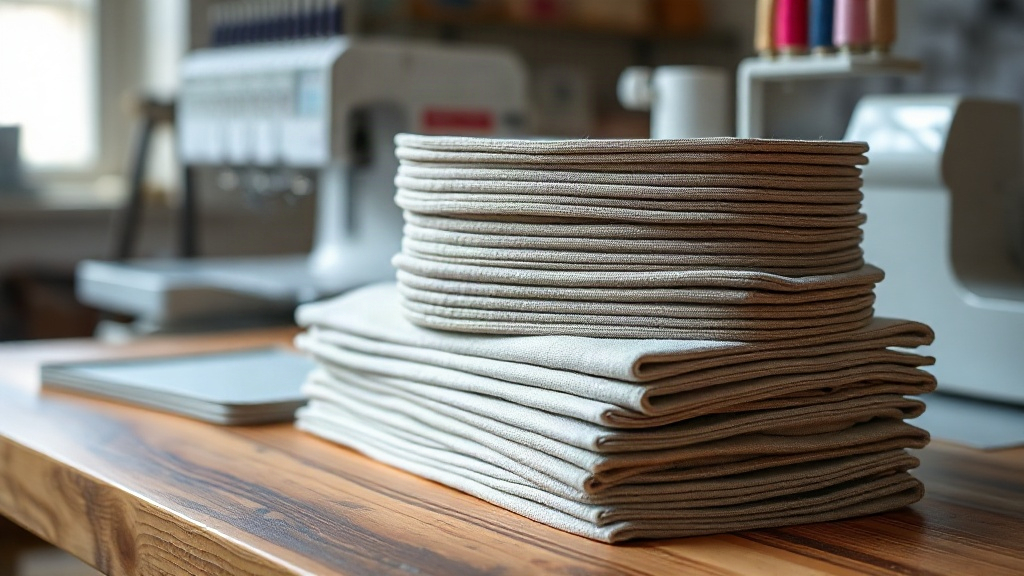
When you order custom patches, you expect them to look exactly as you envisioned: crisp edges, vibrant colors, and precise embroidery. But achieving that level of perfection requires more than just good design; it demands the right production techniques. Enter smart blanks, a game-changing approach that has quietly revolutionized the patch industry. Whether you're a seasoned embroiderer or a business owner looking to create branded merchandise, understanding smart blanks can save you time, money, and frustration.
In this article, we'll explore what smart blanks are, why they matter, and how you can leverage them to produce patches that stand out. We'll also share practical tips from experienced patch makers, so you can apply these insights immediately.
What Are Smart Blanks?
At its core, a smart blank is a specially prepared base material that serves as the foundation for embroidery or printing. Unlike traditional blanks, which are often just plain fabric, smart blanks are engineered with features that enhance the final product. These may include:
- Pre-stabilized backing: A built-in stabilizer that prevents distortion during stitching.
- Adhesive layers: Heat-activated glue that allows for easy application to garments.
- Laser-cut edges: Precise shapes that eliminate fraying and reduce finishing time.
- Color-coded guides: Subtle markings that help align multi-color designs.
Essentially, smart blanks are designed to work smarter, not harder. They anticipate the challenges of patch making and provide solutions before you even start.
Why Smart Blanks Matter for Custom Patches
If you've ever struggled with puckering, misalignment, or inconsistent results, you know how frustrating patch production can be. Smart blanks address these issues head-on. Here's why they're becoming a staple in professional workshops:
1. Consistent Quality Across Every Patch
When you use smart blanks, each patch starts from the same high-quality base. This consistency means that your 100th patch looks as good as your first. For businesses, this reliability is crucial for maintaining brand integrity.
2. Time Savings and Increased Efficiency
Traditional patch making involves multiple steps: cutting fabric, adding stabilizer, hooping, and trimming. Smart blanks eliminate several of these steps. For example, pre-cut shapes mean you skip the cutting phase entirely, and pre-applied adhesive removes the need for separate gluing. The result? Faster turnaround times and happier clients.
3. Reduced Material Waste
Because smart blanks are precisely sized and shaped, you generate less waste. This not only cuts costs but also aligns with sustainable practices, which is increasingly important to consumers.
4. Enhanced Durability
The built-in stabilizers and quality fabrics used in smart blanks ensure that your patches withstand repeated washing and wear. This durability is especially vital for uniforms, sports teams, and outdoor gear.
How to Choose the Right Smart Blanks
Not all smart blanks are created equal. Selecting the right ones for your project depends on several factors:
Fabric Type
Consider the intended use. For heavy-duty applications, choose twill or canvas smart blanks. For delicate designs, opt for softer fabrics like cotton or polyester blends.
Adhesive Options
Some smart blanks come with sew-on backing, while others have iron-on or peel-and-stick adhesives. Match the adhesive to the garment material and the desired permanence.
Edge Finishing
Laser-cut edges are ideal for intricate shapes, while merrowed edges offer a classic look. Smart blanks can accommodate both, so decide based on your design.
Size and Shape
Smart blanks come in standard shapes (circles, squares, ovals) and custom die-cut forms. If you have a unique logo, custom smart blanks ensure a perfect fit.
Best Practices for Using Smart Blanks
To get the most out of smart blanks, follow these expert recommendations:
- Test before you commit: Always run a small batch to ensure compatibility with your embroidery machine and threads.
- Adjust your settings: Smart blanks may require different tension or speed settings than traditional blanks. Consult the manufacturer's guidelines.
- Store properly: Keep smart blanks in a cool, dry place to prevent adhesive from drying out or fabric from warping.
- Use the right needle: For dense designs, a sharp needle (like a 75/11) works best to penetrate the stabilizer without breaking.
- Trim carefully: Even with laser-cut edges, a final trim may be needed. Use sharp scissors and a steady hand.
Real-World Applications of Smart Blanks
Smart blanks aren't just for professional embroiderers; they're used across various industries:
- Corporate branding: Companies order thousands of logo patches for uniforms. Smart blanks ensure each patch is identical, reinforcing brand consistency.
- Sports teams: Team patches need to withstand sweat and movement. Smart blanks with durable backing keep logos intact season after season.
- Fashion and apparel: Designers use smart blanks to add unique embellishments to jackets, jeans, and bags. The precision of smart blanks allows for intricate, multi-color designs.
- Event merchandise: For festivals, concerts, and conferences, smart blanks enable quick production of commemorative patches that attendees love.
Common Mistakes to Avoid with Smart Blanks
Even with the best materials, mistakes can happen. Here are pitfalls to watch for:
- Ignoring fabric compatibility: Not all smart blanks work with all fabrics. Always test adhesion on a sample garment.
- Overlooking stabilizer needs: Some smart blanks have built-in stabilizer, but complex designs may require additional support. Don't assume one size fits all.
- Rushing the heat application: If using iron-on smart blanks, follow the recommended temperature and time precisely. Too much heat can scorch the fabric; too little means poor adhesion.
- Skipping quality checks: Inspect each patch after production. Catching defects early saves rework later.
Frequently Asked Questions About Smart Blanks
What exactly are smart blanks, and how do they differ from regular blanks?
Smart blanks are pre-prepared base materials that include features like stabilizers, adhesives, and precision-cut edges. Regular blanks are basic fabrics that require additional preparation steps. Smart blanks simplify the process and improve consistency.
Can I use smart blanks with any embroidery machine?
Yes, smart blanks are compatible with most home and commercial embroidery machines. However, you may need to adjust settings such as tension and speed. Always test on a sample first.
Are smart blanks more expensive than traditional blanks?
The upfront cost per unit may be higher, but when you factor in time savings, reduced waste, and fewer errors, smart blanks often prove more cost-effective in the long run.
How do I ensure my smart blanks adhere properly to different fabrics?
Choose the right adhesive for your fabric type. For example, iron-on adhesives work well on cotton and polyester, while peel-and-stick is better for temporary applications. Always follow the manufacturer's instructions and test on a swatch.
Where can I buy high-quality smart blanks?
Look for reputable suppliers that specialize in embroidery materials. PatchesFusion offers a range of smart blanks designed for professional results. Contact us for recommendations based on your project.
Final Thoughts
Smart blanks are more than just a trend; they're a practical solution for anyone serious about custom patches. By investing in quality smart blanks and following best practices, you'll achieve professional-looking patches with less effort and fewer headaches. Whether you're making patches for a small team or a large corporation, smart blanks can elevate your results.
Ready to experience the difference? Explore the smart blanks available at PatchesFusion and see how they can transform your next project. With the right materials and a bit of know-how, you'll be producing flawless patches in no time.