
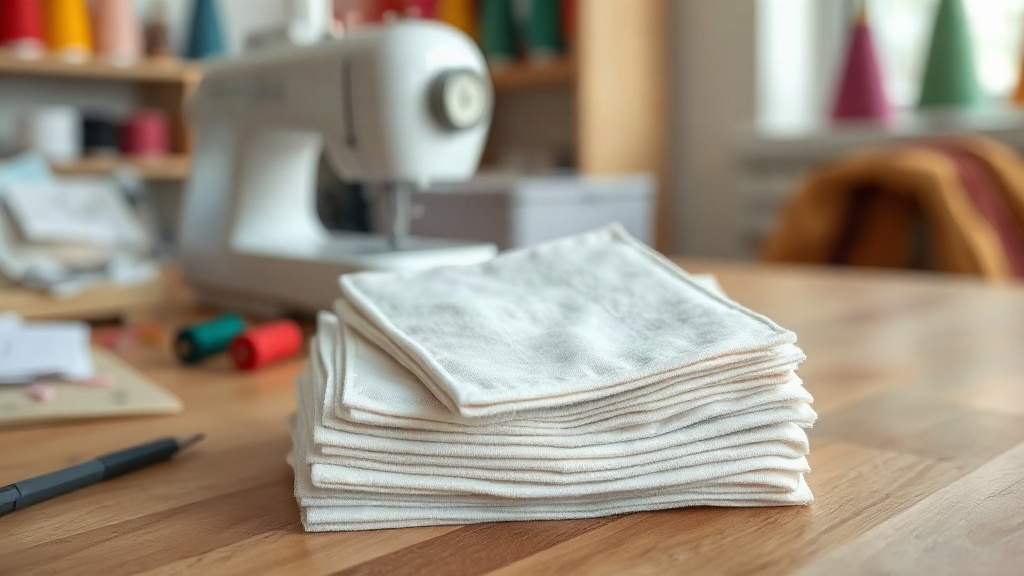
If you've ever ordered custom patches, you know the excitement of seeing your design come to life in thread and fabric. But you also know the disappointment when the final product looks slightly off: colors bleeding, edges fraying, or the embroidery puckering. The secret to avoiding these issues lies in the foundation of every great patch: the smart blanks. In this post, we'll explore what smart blanks are, why they matter, and how they can elevate your custom patch game.
What Are Smart Blanks?
Smart blanks are specially engineered base materials used in the production of custom patches. Unlike traditional blank patches, which are simply cut from fabric and then embroidered, smart blanks are designed with precision to optimize the embroidery process. They typically consist of a stable backing, a layer of adhesive, and a top fabric that is tightly woven to prevent distortion. The term "smart" refers to the intelligent construction that anticipates the stresses of embroidery, such as thread tension and needle penetration, ensuring that the final patch maintains its shape and design integrity.
Why Smart Blanks Matter for Custom Patches
When you invest in custom patches, you want them to look professional and durable. Smart blanks play a crucial role in achieving that. Here's why:
- Prevents puckering and distortion: The stable backing and tight weave of smart blanks minimize fabric shifting during embroidery, so your design stays smooth and flat.
- Enhances color vibrancy: The uniform surface of smart blanks allows threads to lay evenly, making colors pop and reducing the chance of show-through.
- Improves durability: Smart blanks are often made from high-quality materials that resist fraying and wear, extending the life of your patch.
- Saves time and money: Because smart blanks reduce errors and rework, they can lower production costs and turnaround times.
How Smart Blanks Are Made
The production of smart blanks involves several steps to ensure consistency and performance. First, a high-quality fabric, such as twill or felt, is selected. This fabric is then bonded to a stabilizer, which can be a cut-away or tear-away material. The stabilizer provides the necessary support to the fabric during embroidery. Next, an adhesive layer is applied to the back, which allows the patch to be ironed on or sewn easily. Finally, the blank is cut to the desired shape using precision die-cutting or laser cutting. The result is a blank that is ready for embroidery and designed to deliver superior results.
Choosing the Right Smart Blank for Your Project
Not all smart blanks are created equal. The best choice depends on your specific design and intended use. Consider these factors:
Fabric Type
Twill is a popular choice for its durability and smooth surface, ideal for detailed designs. Felt offers a softer, more textured look and is often used for vintage or casual patches. For a premium feel, consider woven or embroidered emblems on a smart blank base.
Backing Options
Smart blanks come with various backings: iron-on, sew-on, adhesive, or Velcro. Iron-on is convenient for quick application, while sew-on provides the most secure hold. Adhesive is great for temporary use, and Velcro allows for easy swapping.
Thickness and Weight
The thickness of the smart blank affects the patch's rigidity and drape. Thicker blanks are more durable but may be stiffer. Choose based on where the patch will be used: thicker for jackets and bags, thinner for shirts and hats.
The Role of Smart Blanks in Embroidery Quality
Embroidery is an art, and like any art, it requires a good canvas. Smart blanks provide that canvas by offering a stable, smooth surface that allows the embroidery machine to work its magic. Without a smart blank, the fabric might stretch or shift, causing misalignment and uneven stitches. With a smart blank, the needle penetrates cleanly, and the thread locks in place, resulting in crisp, professional-looking embroidery. This is especially important for complex designs with fine details or small text.
Smart Blanks vs. Traditional Blanks
Traditional blanks are often just cut fabric with no stabilizer. They are cheaper but can lead to poor embroidery results. Smart blanks, while slightly more expensive, offer a host of benefits that justify the cost. They reduce the need for multiple test runs, minimize waste, and produce a superior final product. For businesses that rely on custom patches for branding or merchandise, smart blanks are a smart investment.
Applications of Smart Blanks
Smart blanks are used in a wide range of applications, from corporate logos and sports team emblems to military insignia and fashion patches. They are also popular in the DIY community, where crafters appreciate the ease of use and professional results. Whether you're making patches for a school club or a major brand, smart blanks ensure consistency and quality.
How to Get Started with Smart Blanks
If you're ready to elevate your custom patches, consider using smart blanks for your next order. Here are some tips:
- Consult with your patch manufacturer about the best smart blank for your design.
- Request samples to test different fabrics and backings.
- Provide high-resolution artwork to ensure the embroidery is accurate.
- Discuss the intended use to determine the appropriate durability.
- Order a small batch first to check quality before committing to a large run.
Frequently Asked Questions About Smart Blanks
What exactly are smart blanks?
Smart blanks are pre-stabilized base materials for custom patches that are engineered to prevent distortion and enhance embroidery quality. They consist of a fabric top, a stabilizer, and a backing adhesive.
Are smart blanks more expensive than regular blanks?
Yes, smart blanks typically cost a bit more due to their advanced construction. However, they can save money by reducing errors and rework, making them cost-effective in the long run.
Can I use smart blanks for iron-on patches?
Absolutely. Many smart blanks come with an iron-on adhesive backing, making them easy to apply at home. Just follow the instructions provided by the manufacturer.
Do smart blanks work with all types of embroidery machines?
Yes, smart blanks are compatible with most commercial and home embroidery machines. Their stable construction helps machines run smoothly, regardless of the model.
Where can I buy smart blanks for my project?
You can purchase smart blanks from specialty suppliers or through custom patch manufacturers like PatchesFusion. They often offer a range of options to suit different needs.
Conclusion
Smart blanks are a game-changer in the world of custom patches. They provide the stability, durability, and quality that discerning customers expect. By choosing smart blanks, you ensure that your patches look great and last long. Whether you're a business owner, a crafter, or a team manager, investing in smart blanks is a decision you won't regret. So next time you order custom patches, ask for smart blanks and see the difference for yourself.