
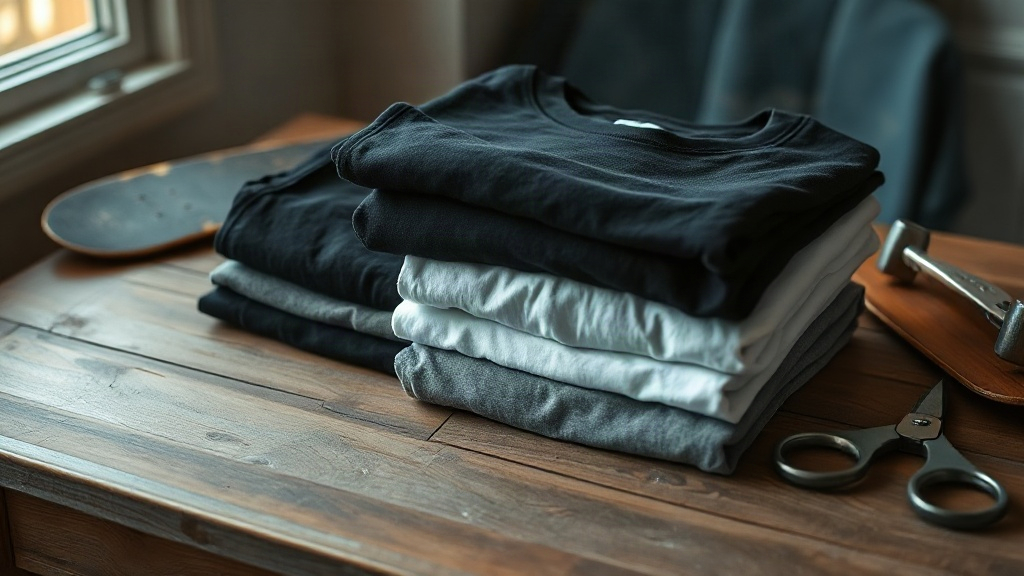
Walk into almost any skate shop, barbershop, or screen-printing operation in Southern California and you will spot the same blank tee folded on a shelf: a thick, boxy cotton crewneck with a small script logo near the chest. That shirt is Shaka Wear, and it has quietly become one of the most trusted names in everyday streetwear without chasing hype or celebrity endorsements. If you have been wondering whether the brand lives up to its reputation, or you are trying to figure out which fit to order, this guide breaks down what the label actually does well and where it falls short.
What Is Shaka Wear?
Shaka Wear is a Los Angeles-based apparel brand that started in the early 2000s with a simple premise: make heavyweight, durable basics that hold their shape and sell them at prices that do not require a financing plan. The company grew out of the local print-shop ecosystem, where blank garments are the raw material for custom designs, band merch, and small business uniforms. That origin matters because it explains nearly everything about how the clothes are cut and finished.
Instead of chasing seasonal trends, the brand focuses on a small core catalog: crewneck tees, long sleeves, hoodies, sweatpants, and a handful of accessories. Most items are available in a wide size range and a rotating palette of colors, from basic black and white to muted earth tones and occasional brights.
Why Heavyweight Cotton Matters More Than You Think
Most fast-fashion tees weigh somewhere between 4 and 5 ounces per square yard. Shaka Wear tees typically land in the 6 to 7 ounce range, which puts them in the same category as premium blanks used by professional screen printers. That extra weight changes how a shirt behaves in daily life.
- It drapes instead of clinging, which hides minor fit issues and looks better untucked.
- It survives repeated washing without turning into a translucent rag after six months.
- It holds screen-printed graphics and embroidery without the fabric puckering around the design.
- It resists the collar stretching that ruins cheaper crewnecks within a few wears.
The trade-off is warmth. A 7-ounce tee in August heat is noticeably heavier than a thin cotton blend. If you run hot, the lighter-weight options in the lineup are worth a look, but understand that you are trading some of the durability that made the brand popular in the first place.
How Shaka Wear Fits Compared to Other Brands
This is where most first-time buyers get tripped up. Shaka Wear does not follow the slim, tailored silhouette that dominates mall-brand sizing. The classic crewneck is cut boxy through the chest and shoulders with a straight body, which is closer to how workwear and vintage tees fit than to a modern fashion fit.
The Classic Crewneck
The standard crew runs true to size for a relaxed look, but if you are used to slim-fit shirts you may want to size down. The sleeves are a touch longer than average and the hem sits lower, so it works well for taller frames. Shorter buyers often prefer to size down and accept a slightly trimmer chest.
Hoodies and Sweats
The hoodies follow a similar pattern: roomy body, thick fleece, and a hood that actually stands up rather than flopping backward. They are not fashion-cropped and they are not oversized in the trendy sense. Think of them as the kind of hoodie you would grab for a cold morning walk or a long drive, not a statement piece for a photo shoot.
Sizing Tips That Save Return Shipping
- Measure a shirt you already like, flat, from armpit to armpit, and compare it to the brand's size chart.
- If you are between sizes and want a fitted look, go down.
- If you plan to machine dry on high heat, expect roughly a half-inch of shrinkage in length on the first wash.
- For print projects, order one test blank before committing to a bulk run.
Who Actually Wears It, and Why
The customer base is broader than the skate-shop stereotype suggests. Small business owners use Shaka Wear blanks for staff uniforms because the shirts take embroidery and vinyl transfers cleanly. Musicians and merch designers like the weight because printed graphics look more substantial on a heavier fabric. Everyday buyers who are tired of replacing thin tees every few months make up a large chunk of repeat customers.
There is also a cultural angle worth mentioning. The brand name references the shaka hand gesture, a symbol tied to Hawaiian and surf culture that signals goodwill and easygoing respect. That low-key, no-drama identity matches the product: nothing flashy, nothing loud, just garments that do their job.
Where the Brand Falls Short
No label is perfect, and pretending otherwise would be dishonest. A few recurring complaints are worth knowing before you buy.
- Color consistency can vary slightly between production runs, which matters if you are reordering uniforms months later.
- Some styles sell out quickly in popular sizes, especially black and heather grey.
- The boxy cut is not flattering on every body type, and there is no true slim option in every style.
- Retail availability is uneven outside the United States, so international buyers often pay shipping that narrows the value advantage.
None of these are deal-breakers for most shoppers, but they are the kind of details that separate a satisfied customer from a frustrated one.
How to Get the Most Value From Your Purchase
Because the garments are built to last, a little care goes a long way. Wash heavyweight cotton inside out in cold water and tumble dry on low, or hang dry if you want to preserve the original length. Avoid fabric softener, which coats the fibers and reduces the absorbency that makes cotton comfortable in the first place.
If you are buying for a print project, test your ink or vinyl on a single blank first. Heavyweight ringspun cotton behaves differently from cheap blends, and getting the press settings right on a test piece saves a lot of ruined inventory later. For personal wear, buying two or three shirts in neutral colors at once usually costs less per shirt than ordering one at a time, and it gives you a rotation that extends the life of each piece.
Frequently Asked Questions
Does Shaka Wear run true to size?
For a relaxed fit, yes. The classic crewneck and hoodie are cut boxy, so if you normally wear slim-fit clothing you may prefer to size down. Checking the flat measurements against a shirt you already own is the most reliable method.
Is Shaka Wear good for screen printing and embroidery?
It is one of the more popular choices among small print shops because the heavyweight cotton holds ink well and resists puckering. Embroidery also works cleanly on the thicker fabric, though very dense designs may feel stiff on lighter styles.
How much do Shaka Wear shirts shrink after washing?
Expect minimal shrinkage if you wash cold and dry low. Hot water and high heat can shrink length by around half an inch on the first wash, so keep that in mind if you are between sizes or buying for someone else.
Where can I buy Shaka Wear outside the United States?
Availability varies by country. Some streetwear retailers and online marketplaces stock the brand, but shipping costs can reduce the price advantage. Buying from a regional distributor, when one exists, is usually cheaper than importing directly.
Is Shaka Wear worth it compared to other heavyweight tee brands?
For most buyers, yes. The combination of 6 to 7 ounce cotton, consistent construction, and mid-range pricing is hard to beat. If you prioritize a slim fashion fit or ultra-soft lightweight fabric, other brands may suit you better.