
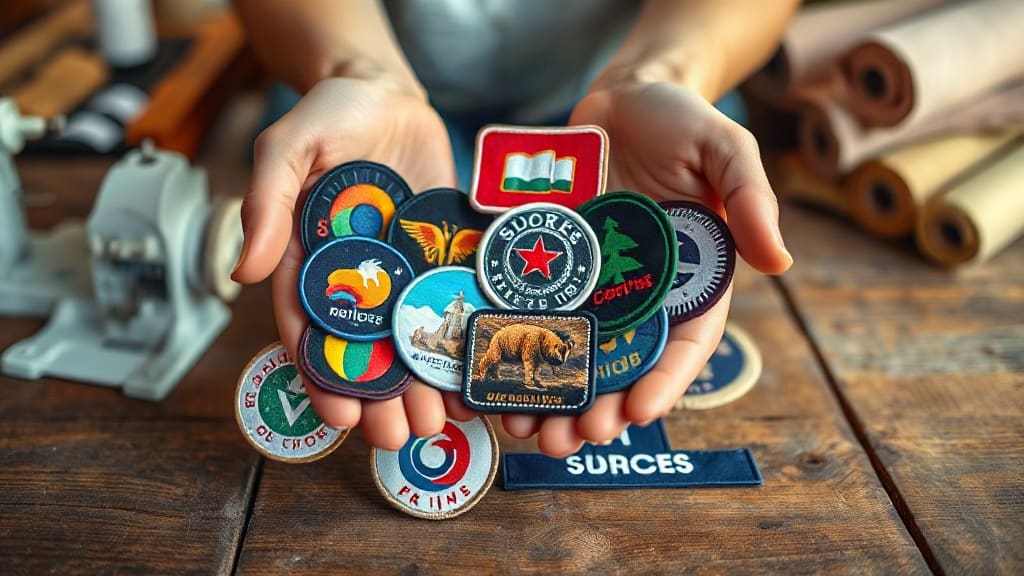
In the world of e-commerce, print on demand has revolutionized how entrepreneurs and established brands create products without the burden of inventory. Among the many POD products available, custom patches stand out as a versatile and highly customizable accessory. In this comprehensive guide, we'll explore the ins and outs of print on demand patches, from design to marketing, and how you can leverage them to grow your brand. Whether you're new to POD or looking to expand your product line, this article will provide valuable insights and actionable tips.
What Are Custom Patches and Why They Matter
Custom patches are embroidered or woven pieces of fabric that can be attached to clothing, bags, hats, and other textiles. They serve as a form of self-expression, branding, or identification. With print on demand, you can create patches without holding inventory, making it an ideal solution for brands of all sizes. Patches are popular among sports teams, businesses, fashion enthusiasts, and hobbyists. They add a unique, personal touch to any item, making them memorable and shareable.
The POD Process: How It Works
Understanding the print on demand process is crucial to maximizing its benefits. Here’s a step-by-step outline:
- Design Creation: You start by creating a design for your patch. This can be a logo, emblem, text, or any graphic. Ensure the design is vector-based for scalability.
- Choose a POD Provider: Select a reliable POD service that offers custom patches. Look for quality materials, embroidery options, and reasonable pricing.
- Upload and Set Parameters: Upload your design to the provider's platform, specify size, shape, backing type, and quantity.
- Order Fulfillment: When a customer places an order on your online store, the POD provider automatically produces and ships the patch directly to them.
- Quality Check and Shipping: The provider handles quality control and shipping, so you can focus on marketing and customer service.
Benefits of Using Print on Demand for Custom Patches
Why should you consider print on demand patches? Here are key advantages:
- No Inventory Risk: You only pay for what you sell, eliminating upfront costs and storage issues.
- Scalability: Easily scale your business without worrying about production capacity.
- Flexibility: Test multiple designs and niches without committing to large quantities.
- Global Reach: POD providers often have international fulfillment centers, enabling worldwide shipping.
- Customization: Offer personalized patches to your customers, increasing engagement.
Designing Custom Patches That Sell
The success of your custom patches largely depends on design. Here are some tips:
Understand Your Audience
Know who your target customers are. Are they gamers, outdoor enthusiasts, or corporate clients? Tailor your designs to their interests and aesthetics.
Keep It Simple and Bold
Patches are often smaller than other products. A cluttered design will look messy. Use bold colors, clear lines, and minimal text to ensure legibility.
Consider Embroidery Limitations
Embroidery adds texture but has limitations. Avoid very small details and thin lines that may not translate well. Our team at patchesfusion.com can guide you on design specifications.
Offer Variety
Provide different sizes, shapes, and colorways to appeal to a broader audience. You can also create sets or collections.
How to Use Custom Patches for Branding and Marketing
Custom patches are not just products; they are powerful marketing tools. Here’s how to use them:
Brand Identity
Create patches with your logo to sell or give away as promotional items. They serve as a tangible reminder of your brand.
Customer Loyalty Programs
Include a free patch with orders over a certain amount or as a reward in loyalty programs. It encourages repeat purchases.
Event Merchandise
Design special edition patches for events like concerts, conferences, or community gatherings. These become collector's items.
Influencer Collaborations
Send patches to influencers and ask them to incorporate them into their content. It expands your reach organically.
Custom Banners: Complementing Your Patch Business
While patches are the focus, diversifying your product range can increase revenue. Custom banner production is another print on demand service that pairs well with patches. Banners can be used for events, storefronts, or decorative purposes. By offering both, you can cater to customers who need comprehensive branding solutions. For instance, a sports team might order patches for jerseys and a large banner for their fan zone.
Choosing the Right POD Provider
Not all POD providers are equal. Consider these factors when selecting one for your custom patches:
- Quality: Check samples to ensure embroidery or printing quality meets your standards.
- Pricing: Compare prices, including shipping fees, to maintain healthy profit margins.
- Turnaround Time: Fast production and shipping are critical for customer satisfaction.
- Integration: Ensure the provider integrates seamlessly with your e-commerce platform (e.g., Shopify, WooCommerce).
- Customer Support: Reliable support helps resolve issues quickly.
Effective Marketing Strategies for Custom Patches
Once your product is ready, you need to market it effectively. Here are strategies specifically for patches:
Visual Content
Patches are highly visual. Use high-quality photos and videos showing patches on various items. Create lifestyle shots and close-ups of the embroidery details.
Social Media Engagement
Platforms like Instagram and Pinterest are ideal. Post behind-the-scenes content, design processes, and user-generated content. Use relevant hashtags like #custompatches and #patches.
Email Marketing
Build an email list and send newsletters featuring new designs, limited-time offers, and customer stories.
SEO for Your Store
Optimize your product pages with keywords like custom patches and print on demand. Write detailed descriptions and use alt text for images.
Case Study: How a Small Brand Boosted Sales with Custom Patches
Consider the example of a small outdoor clothing brand. They added a line of embroidered patches featuring mountain silhouettes. By offering these as add-ons at checkout, they increased their average order value by 15%. They also used patches in their packaging as a small gift, which led to an increase in social media posts from unboxing. This organic buzz translated into new customers.
Common Mistakes to Avoid
To succeed with print on demand patches, avoid these pitfalls:
- Ignoring Design Guidelines: Each POD provider has specific requirements. Failure to follow them can result in poor quality.
- Overpricing: While patches are valuable, don't price yourself out of the market. Research competitor pricing.
- Neglecting Customer Feedback: Listen to your customers. If they want different shapes or sizes, adapt.
- Not Testing Products: Always order samples to check quality before selling to customers.
Conclusion
Integrating print on demand patches into your product lineup offers numerous benefits, from low risk to high customization. By focusing on design, choosing the right provider, and implementing effective marketing, you can create a profitable niche. Additionally, consider offering custom banner options to complement your patches. With the right strategy, patches can become a significant revenue stream and a powerful branding tool.
Frequently Asked Questions
What is the difference between embroidered and printed patches?
Embroidered patches are stitched with thread, giving a textured and premium feel, while printed patches use a printing process on fabric, allowing for more detailed graphics and gradients. Embroidered patches are more durable and traditional, whereas printed patches offer greater color options and detail.
How long does it take to produce and ship custom patches?
Production times vary by provider and order volume. Typically, it takes 5-10 business days for production, plus shipping time. Some providers offer rush services for an additional fee. Check with your POD provider for specific timelines.
Can I order a small quantity to test the market?
Yes, most POD providers have no minimum order quantity or a very low minimum, such as one piece. This makes testing easy. You can order a few samples yourself or fulfill individual customer orders without inventory.
What are the best practices for designing a patch?
Design with simplicity in mind: use bold shapes, limited text, and high contrast. Avoid intricate details that may get lost in embroidery. Test your design at actual size to ensure legibility. Additionally, consider the shape of your patch; custom shapes can make your patch stand out.
How do I set realistic pricing for custom patches?
Calculate your base cost (production + shipping) and add a markup for profit, typically 30-50%. Research competitor prices to stay competitive. Also, consider offering bundles or discounts for multiple patches to encourage larger orders.