
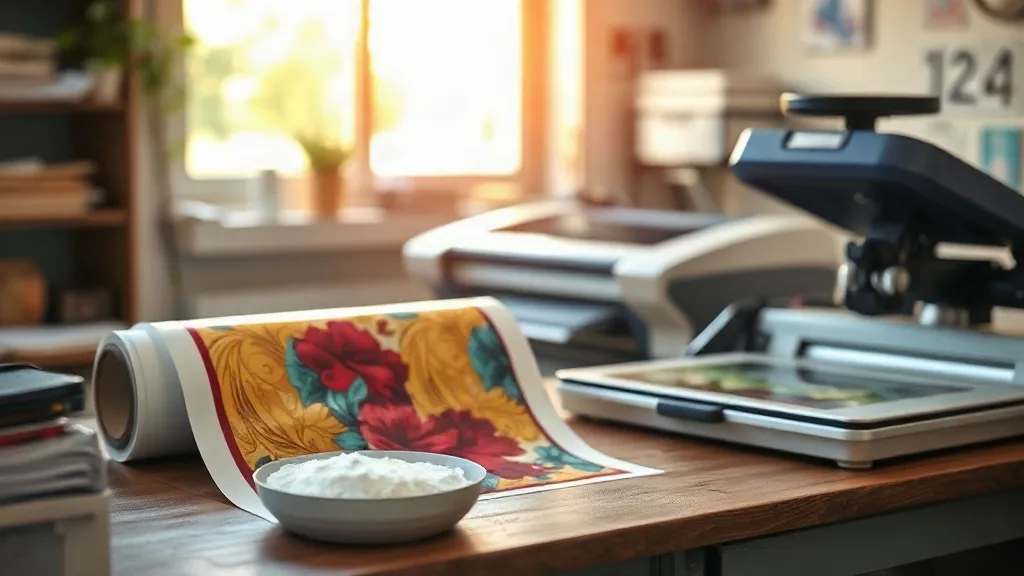
Walk into any small print shop these days and you will likely spot a roll of PET film and a shaker of hot-melt powder sitting next to the heat press. That setup is the quiet engine behind a lot of the custom apparel you see at markets, team events, and online stores. DTF transfers have moved from a niche trick to a mainstream decoration method in a few short years, and for good reason: they let you print detailed, full-color artwork and press it onto almost any fabric without the prep work that older methods demand.
This guide is for the person who wants to understand the method before committing to it, whether you are a hobbyist pressing shirts in a garage or a shop owner deciding whether to add a new service. We will cover how the process actually works, what separates a good transfer from a frustrating one, and the practical settings that keep prints from cracking after the third wash.
What DTF Transfers Actually Are
The short version: a digital printer lays down water-based pigment ink onto a special film, then a layer of adhesive powder is applied while the ink is still wet. The powder fuses to the ink under heat, and the result is a flexible, transferable layer of color that can be pressed onto fabric with a heat press. There is no weeding, no cutting, and no need to separate colors.
That last point matters more than it sounds. If you have ever spent an evening weeding tiny letters out of vinyl, you understand why so many shops have switched. A dtf transfers workflow handles gradients, photographs, and fine detail in a single pass, and the artwork is only limited by what your printer can output.
How the Process Breaks Down
- The design is prepared and mirrored in the RIP software, then printed onto coated PET film.
- Adhesive powder is applied evenly across the wet ink and shaken off the non-printed areas.
- The film goes through a curing step, usually a short pass under heat, so the powder melts into the ink.
- The finished transfer is cooled, trimmed, and stored until it is ready to press.
- At press time, the film is placed print-side down on the garment, pressed, and peeled once cool.
Each of those steps has a narrow window where quality is won or lost. Powder applied too sparsely leaves bald patches after washing. Too much powder and the print feels stiff and plasticky. Curing too hot can warp the film; too cool and the adhesive never bonds properly.
Why Shops Keep Choosing DTF
Cost is part of it, but versatility is the bigger draw. A single dtf setup can decorate cotton tees, polyester hoodies, blends, canvas totes, and even some nylon jackets. Screen printing struggles with low quantities and many colors. Vinyl struggles with fine detail. Sublimation only works on light polyester. DTF sidesteps all three limitations at once.
There is also the storage angle. Printed transfers keep for months if stored flat and away from humidity, which means a shop can print a batch during a slow week and press orders as they come in. That flexibility changes how you schedule work, especially around busy seasons like back-to-school or holiday markets.
Where It Falls Short
No method is perfect. DTF prints sit on top of the fabric rather than soaking in, so on very stretchy or heavily textured materials the hand feel is noticeable. Dark garments sometimes show a faint outline around the print if the white layer is not managed well. And the process produces plastic film waste that has to be handled responsibly. Knowing these limits helps you set honest expectations with customers instead of overselling the method.
Press Settings That Actually Hold Up
Manufacturer recommendations vary, but a reliable starting point is 300 to 320 degrees Fahrenheit for 10 to 15 seconds at medium pressure. Peel the film cold or warm depending on the film type, then do a second short press with a cover sheet to lock the print in. Always test on a scrap garment before running a full order, because fabric thickness and press calibration both shift results.
- Pre-press the garment for a few seconds to remove moisture, which is a common cause of poor adhesion.
- Use consistent pressure. Too little and the edges lift; too much and the print spreads.
- Let transfers cool before stacking them, or the adhesive will bond to whatever is touching it.
- Wash test after 24 hours, not immediately, since the bond continues to settle.
Finding a Reliable Supplier
If you are searching for dtf transfers near me, the practical questions are less about distance and more about turnaround and consistency. A local supplier who can deliver within a day or two often beats a cheaper option that takes two weeks, especially when you are filling orders on a deadline. Ask about film brand, powder type, and whether they offer gang sheets for small runs.
For shops that print in-house, the investment math is worth running carefully. A printer, shaker, and curing unit add up, and the consumables have a shelf life. Many small operations start by ordering transfers from a service and only bring the process in-house once volume justifies it. That staged approach keeps cash flow healthy while you learn the quirks of the method.
Common Questions From New Users
How long do DTF prints last after washing?
With a proper press and correct wash care, most prints hold up for 50 or more washes. Turn garments inside out, use cold water, and skip the dryer's high heat to extend the life of the print.
Can I press DTF onto 100 percent polyester?
Yes, and it generally works well, though you should lower the press temperature slightly to avoid scorching or dye migration on darker poly fabrics. Always test first.
Do I need a special printer for DTF?
You need a printer that handles DTF pigment ink and a RIP that supports white ink layering. Many shops convert a suitable inkjet model rather than buying a dedicated unit, but the conversion has to be done correctly or the print head will clog.
What is the difference between DTF and DTG?
DTG prints directly onto the garment and works best on cotton. DTF prints onto film first and then transfers, which lets it work across a wider range of fabrics and allows for storage and remote fulfillment.
Is DTF more expensive than vinyl?
Per print, DTF is often cheaper for complex multi-color designs, while vinyl wins on simple one-color text. The crossover point depends on your volume and how much labor you count as a cost.