
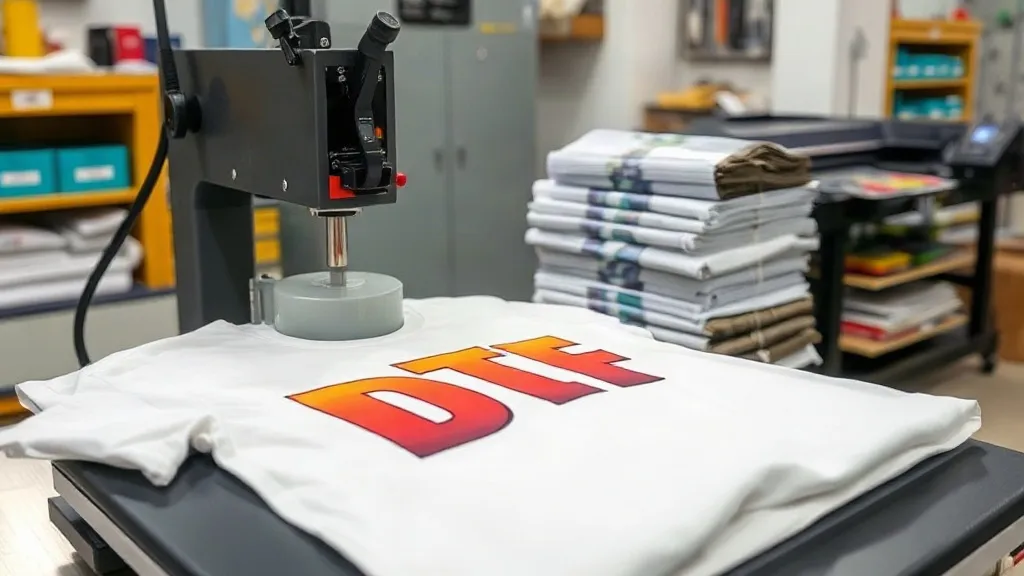
If you've been exploring custom apparel printing, you've likely come across dtf transfers as a rising star in the industry. Unlike traditional methods that require specialized equipment or messy processes, DTF (Direct to Film) printing offers a versatile and accessible way to bring your designs to life on fabric. Whether you're a small business owner looking to expand your product line or a DIY enthusiast wanting to personalize gifts, understanding DTF transfers can open up a world of possibilities.
In this guide, we'll walk you through the entire DTF process, from creating your design to applying the transfer, and share practical tips to help you achieve professional results. We'll also cover the benefits of DTF, common pitfalls to avoid, and how to find quality dtf transfers near me if you prefer to buy pre-made transfers. By the end, you'll have a solid grasp of how dtf printing works and why it's worth considering for your next project.
What Are DTF Transfers?
DTF stands for Direct to Film. It's a printing method where your design is printed onto a special film, coated with a powder adhesive, and then heat-pressed onto fabric. The process involves creating a digital artwork, printing it with specialized DTF inks onto a PET film, applying a thermoplastic polyurethane (TPU) powder while the ink is still wet, and then curing the powder to create a transfer that can be stored and used later.
What sets DTF apart is its ability to print on a wide range of fabrics, including cotton, polyester, blends, and even some synthetics, without the need for pre-treatment. This flexibility makes it a favorite among those who work with diverse materials. Plus, DTF transfers can be produced in small batches or large quantities, making them suitable for both one-off custom pieces and bulk orders.
How DTF Compares to Other Printing Methods
Compared to screen printing, DTF requires no screens or setup fees, making it cost-effective for short runs. Unlike sublimation, which only works on light-colored polyester, DTF can be used on dark and light fabrics alike. And unlike vinyl cutting, DTF handles complex, multi-color designs with ease, without the tedious weeding process. The result is a soft, vibrant print that stretches with the fabric and holds up well to washing.
The DTF Transfer Process Step by Step
Getting started with DTF involves a few key steps. Here's a breakdown of the workflow from start to finish.
1. Design Preparation
Begin with a high-resolution image (300 DPI is recommended). Your design should be prepared with a transparent background if you want only the printed area to transfer. Most DTF printers use CMYK plus white ink, so ensure your file is in the correct color mode. Software like Photoshop, Illustrator, or even free tools like GIMP can be used. Remember to mirror your design horizontally before printing, as the film will be flipped when pressed.
2. Printing
Load your DTF printer with DTF ink and PET film. The printer lays down a layer of white ink first (for opacity on dark fabrics) followed by color inks. Some printers have a separate white ink channel, while others use a single print head with white and color. After printing, the film emerges with a wet ink layer.
3. Powder Application
While the ink is still wet, apply TPU powder evenly over the printed area. Shake off excess powder, then cure the film under a heat source (like a heat press or oven) until the powder melts and forms a smooth, slightly glossy layer. This powder becomes the adhesive that bonds the ink to the fabric.
4. Curing
Curing typically takes place at around 160°C (320°F) for a few minutes. The exact time and temperature depend on the powder and film specifications. Proper curing ensures the transfer adheres well and withstands washing.
5. Application
Once cured, the transfer is ready to use. Preheat your heat press to about 150-160°C (300-320°F) with medium pressure. Place the transfer on the fabric, cover with a protective sheet or parchment paper, and press for 10-15 seconds. Peel the film while it's still warm (or cold, depending on the film type) for a smooth finish.
Benefits of Using DTF Transfers
DTF transfers have gained popularity for several compelling reasons. Here are the main advantages that make them a go-to choice for many.
- Versatility: Works on almost any fabric, including cotton, polyester, blends, and even leather-like materials.
- No pre-treatment: Unlike DTG printing, DTF doesn't require you to pre-treat the garment, saving time and effort.
- Cost-effective for short runs: No minimum order quantity and low setup costs make DTF ideal for small businesses and hobbyists.
- Durable and vibrant: Prints resist cracking, fading, and washing, maintaining their quality over time.
- Complex designs: DTF can handle intricate details, gradients, and photo-realistic images without the limitations of vinyl or screen printing.
- Storage-friendly: Unused transfers can be stored for months, allowing you to print on demand.
These benefits make DTF a practical solution for custom t-shirts, hoodies, tote bags, and more. If you're looking to offer custom apparel without investing in expensive equipment, buying pre-made dtf transfers from a reputable supplier can be a smart move.
Common Challenges and How to Avoid Them
While DTF is relatively straightforward, beginners often encounter a few issues. Being aware of these can save you time and frustration.
Poor Adhesion
If the transfer peels off after washing, it's likely due to insufficient pressure, incorrect temperature, or under-curing. Ensure your heat press is calibrated and apply consistent pressure. Always follow the transfer supplier's instructions for temperature and time.
Color Fading
Fading can occur if the transfer is exposed to excessive heat during application or if low-quality inks are used. Use reputable DTF inks and avoid overheating. Also, wash garments inside out in cold water to prolong the print's life.
Film Residue
Sometimes a bit of film residue remains on the print after peeling. This usually happens if the transfer is peeled too hot or too cold. Experiment with peeling temperatures (hot peel vs. cold peel) to find what works best for your film type.
Clogged Printheads
DTF printers require regular maintenance to prevent ink from drying in the printhead. Follow the manufacturer's cleaning routine and keep your printer in a dust-free environment.
Finding Quality DTF Transfers Near You
If you don't want to invest in a DTF printer and supplies, you can order custom transfers from specialized services. When searching for dtf transfers near me, consider the following factors to ensure you get high-quality products.
- Reputation: Look for reviews and testimonials from other customers. A supplier with a strong track record is more likely to deliver consistent results.
- Material quality: Inquire about the inks and films used. High-quality materials lead to better durability and color vibrancy.
- Turnaround time: Check how long it takes to produce and ship your order. If you're on a tight deadline, expedited options may be available.
- Minimum order quantity: Some suppliers have low or no minimums, which is great for small batches.
- Customer service: Responsive support can help you troubleshoot issues and ensure a smooth experience.
Many online suppliers offer fast shipping, so you can get your transfers quickly even if they're not local. Just ensure they provide clear instructions for application.
DTF vs. Other Printing Methods: A Quick Comparison
To help you decide if DTF is right for you, here's how it stacks up against common alternatives.
- DTF vs. Screen Printing: Screen printing is cost-effective for large orders but requires setup and is limited to simpler designs. DTF excels at complex, multi-color designs and short runs.
- DTF vs. DTG: DTG (Direct to Garment) is great for cotton but requires pre-treatment and can be less vibrant on dark fabrics. DTF works on more materials and often produces brighter colors.
- DTF vs. Vinyl: Vinyl is durable but limited to simple shapes and requires weeding. DTF handles intricate designs and gradients without the labor.
- DTF vs. Sublimation: Sublimation only works on light polyester and requires special coatings. DTF works on dark cotton and blends.
Each method has its place, but DTF's versatility and ease of use make it a strong contender for many applications.
Frequently Asked Questions About DTF Transfers
How long do DTF transfers last?
With proper application and care, DTF transfers can last as long as the garment itself. They withstand multiple washes without significant fading or cracking. To maximize longevity, wash inside out in cold water and avoid harsh detergents.
Can I use DTF transfers on any fabric?
DTF works on a wide range of fabrics, including cotton, polyester, blends, and even some nylons and leathers. However, fabrics with special coatings or heavy textures may require testing. Always do a test press on a small area first.
Do I need a special printer for DTF?
Yes, DTF requires a printer that uses DTF ink and can handle PET film. You can convert some inkjet printers, but dedicated DTF printers are recommended for best results. Alternatively, you can order pre-made transfers from a supplier.
What is the difference between hot peel and cold peel DTF transfers?
Hot peel transfers are peeled immediately after pressing while still hot, which can leave a slightly glossy finish. Cold peel transfers are allowed to cool completely before peeling, resulting in a more matte finish. The choice depends on the film and your preference.
How do I store unused DTF transfers?
Store them in a cool, dry place away from direct sunlight. Keep them flat or rolled to avoid creasing. Properly stored transfers can last for several months.
DTF transfers have revolutionized the custom apparel industry by making professional-quality printing accessible to everyone. Whether you're a seasoned pro or just starting, incorporating DTF into your workflow can help you create stunning, durable designs with ease. So why not give it a try? Your next custom creation awaits.