
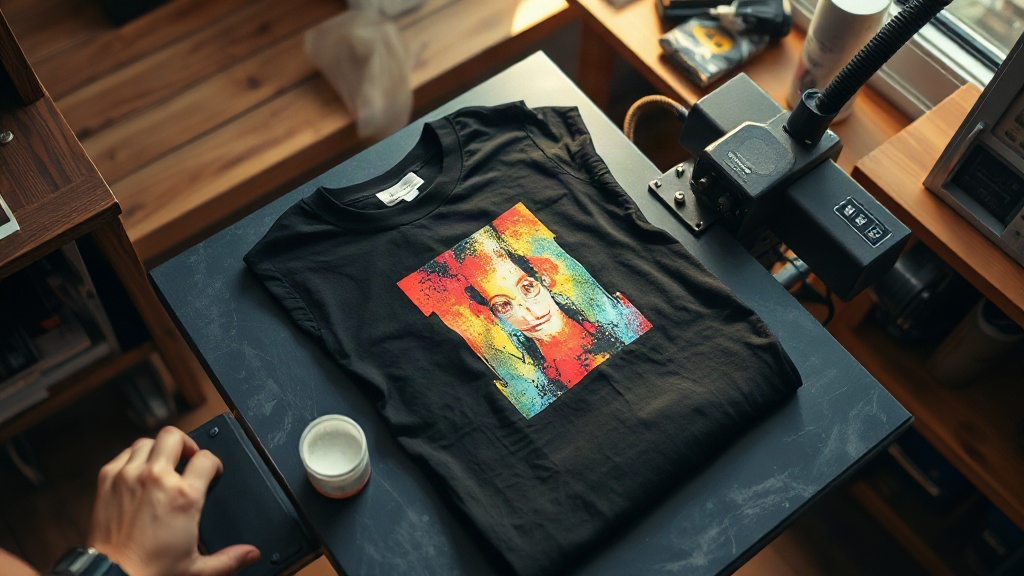
Walk into any small print shop these days and you will likely spot a roll of film instead of a rack of screens. DTF transfers have moved from a niche workaround to a mainstream decoration method in a few short years, and the reasons are practical rather than trendy. They let a one-person operation produce full-color, photographic-quality prints on cotton, polyester, and blends without buying a single screen or mixing a single ink. If you run a clothing brand, a team shop, or a side hustle selling shirts at markets, understanding how this process behaves in the real world will save you money and a lot of ruined garments.
What Actually Happens Inside a DTF Transfer
The name says it plainly: direct to film. A printer lays down CMYK plus white ink onto a special PET film, then dusts the wet print with a thermoplastic adhesive powder. The powder sticks only to the ink, gets shaken off the unprinted areas, and the film passes through a curing oven or heat source so the adhesive melts into a gel layer. What you are left with is a flexible, stretchy transfer that sits on top of the fabric rather than soaking into it.
That white ink layer is the quiet hero of the whole process. Because it sits under the color inks, you can print bright, opaque graphics on dark shirts without the color shifting toward the garment. Anyone who has tried to print yellow on a black cotton tee with a home inkjet knows exactly why this matters.
Film, Powder, and Press: The Three Variables That Matter
Three things determine whether your transfer looks professional or amateur:
- Film quality: cheap PET film curls under heat and releases unevenly, which shows up as patchy edges.
- Powder application: too little and the print peels after a few washes; too much and you get a crusty, stiff feel.
- Press settings: temperature, pressure, and time all interact, and a change in one usually demands a change in another.
You can buy pre-printed transfers from a supplier and skip the printer entirely, which is the route most beginners take. That is also the smartest way to test the waters before investing in a printer, powder shaker, and curing oven.
Where DTF Transfers Beat the Alternatives
The comparison that matters most is against heat transfer vinyl and screen printing, because those are the two methods most shops already know.
Against Heat Transfer Vinyl
Vinyl is cut, weeded, and pressed. It is fast for simple one-color designs and numbers, but it cannot reproduce gradients, photographs, or fine detail. Every additional color means another layer of vinyl and another pass under the press. DTF handles all of that in one press cycle, and the print stays thin enough to fold without cracking.
Against Screen Printing
Screen printing wins on cost per piece at high volumes and on the softest possible hand feel. But setup costs and the time to burn screens make it painful for runs under fifty pieces or for designs that change frequently. For a shop doing on-demand work, one-off customs, or short runs of twenty shirts, DTF removes almost all of the setup friction.
There is a middle ground worth knowing: many established screen printers now use DTF for the small jobs that used to eat up their schedule, then switch back to screens once an order crosses a few hundred pieces. That hybrid approach is common for a reason.
Fabric Compatibility, Including the Awkward Ones
DTF bonds to a wide range of materials, but not all of them behave the same way.
- 100% cotton: the easiest and most forgiving surface.
- Cotton/poly blends: excellent results, especially 50/50.
- 100% polyester: works well, but lower press temperatures and shorter dwell times prevent dye migration.
- Nylon and treated synthetics: possible, though some coatings repel the adhesive and require testing.
- Canvas and denim: great for tote bags and jackets, since the textured surface hides the transfer edge.
Dye migration deserves a special mention. On cheap red or navy polyester, the garment dye can sublimate upward into the print during pressing and give white areas a pink or blue tint. A low-temperature adhesive powder or a barrier film solves most of these cases, but the only reliable answer is to test the exact blank you plan to use.
Pressing a DTF Transfer Without Ruining It
Most failed transfers come down to technique, not product. Here is a sequence that works across a wide range of blanks.
- Pre-press the garment for a few seconds to remove moisture and wrinkles. Skipping this step is the single most common cause of poor adhesion.
- Place the transfer with the printed side down and the film backing facing up.
- Press at medium pressure for the time your supplier recommends, usually in the 10 to 20 second range at roughly 300 to 320 degrees Fahrenheit.
- Let the garment cool completely before peeling. Cold peel gives cleaner edges than hot peel in most cases.
- If you want a matte finish or extra durability, cover the print with parchment or a teflon sheet and press again briefly.
Pressure is the variable people underestimate. A press that is too loose leaves the adhesive sitting on top of the fabric weave instead of penetrating it, and the print lifts at the corners after a couple of washes. A press that is too tight flattens the ink and creates a shiny, plastic-looking surface.
Making Transfers Last Through the Wash
A well-pressed transfer should survive fifty or more home launderings without meaningful cracking. Getting there is mostly about how the garment is treated afterward.
Wash inside out in cold water, avoid fabric softener because it coats the print with a waxy residue, and skip the dryer or use low heat. Ironing directly over the print is the fastest way to destroy it. These are small habits, but they are the difference between a customer who reorders and one who asks for a refund.
Frequently Asked Questions
Can I use DTF transfers on dark and light shirts with the same film?
Yes. The white ink layer is printed automatically under the colors, so a single transfer works on both dark and light garments. You do not need separate film types for different shirt colors.
How long do DTF transfers last compared to vinyl?
With proper pressing and care, DTF prints typically outlast vinyl on stretchy fabrics because they flex instead of cracking. On cotton, both hold up well, but DTF handles detailed multi-color designs that vinyl cannot produce at all.
Do I need a commercial heat press for DTF transfers?
A commercial press is strongly recommended. Home irons and cheap swing presses struggle to deliver even pressure and consistent temperature, which are the two factors that decide whether the transfer bonds properly.
Why is my DTF transfer peeling after washing?
The usual culprits are insufficient pressure, a press temperature that was too low, or peeling the film while it was still hot. Pre-pressing the garment and allowing a full cold peel resolves most peeling issues.
Is DTF more expensive than screen printing?
Per piece, DTF costs more than screen printing on large runs. On small runs, one-offs, and designs with many colors, DTF is usually cheaper because there are no screens to burn and no minimum order quantity.