
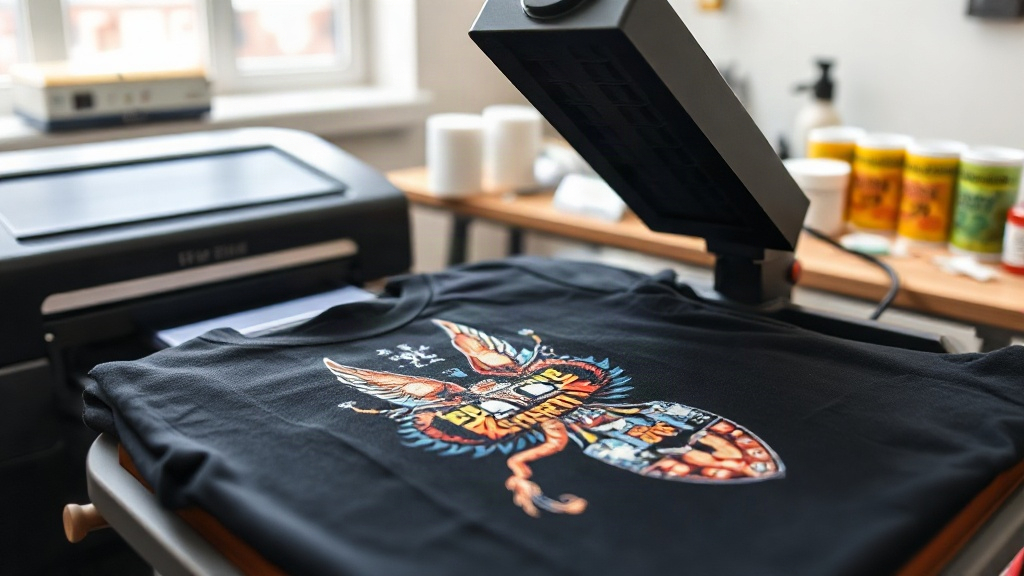
Imagine pressing a custom design onto a dark cotton hoodie and watching it come out with vivid colors and fine details, without the hassle of weeding or layering. That's the promise of DTF transfers, a digital printing technology that has taken the custom apparel world by storm. Whether you're a small business owner, a DIY enthusiast, or a professional decorator, understanding DTF transfers can open up a world of possibilities for your projects.
What Are DTF Transfers?
DTF stands for Direct to Film. It's a printing method where your design is printed onto a special film, coated with a adhesive powder, and then cured. The result is a transfer that can be heat-pressed onto various fabrics, including cotton, polyester, blends, and even nylon. Unlike DTG (Direct to Garment) or screen printing, DTF transfers don't require pre-treatment or specialized inks for different fabric types. They work on virtually any color and material, making them incredibly versatile.
The DTF Printing Process
The process begins with a digital printer equipped with DTF inks. These are typically pigment-based inks in CMYK plus white. The printer lays down the color image, followed by a white layer that acts as a base. This white layer is crucial because it allows the colors to pop on dark garments. After printing, the film is dusted with a hot-melt adhesive powder, which is then melted in a curing oven or with a heat gun. Once cooled, the transfer is ready to be applied.
How DTF Transfers Differ from Other Methods
DTF transfers stand out because they eliminate many of the limitations of other printing techniques. For example, screen printing requires separate screens for each color and is only cost-effective for large orders. DTG printing works best on 100% cotton and often needs pre-treatment. Vinyl cutting is labor-intensive and limited in detail. DTF, on the other hand, handles full-color, photographic designs with ease and applies to almost any fabric. Plus, no weeding means less waste and faster production.
Why Choose DTF Transfers for Your Custom Apparel?
If you're in the business of creating custom t-shirts, tote bags, or promotional items, DTF transfers offer compelling advantages. Let's explore the key benefits that make them a favorite among decorators.
Vibrant Colors and Fine Details
DTF transfers produce incredibly vibrant colors, even on dark backgrounds. The white ink layer ensures that colors remain bright and opaque. Fine lines, small text, and intricate gradients are reproduced with impressive accuracy. This makes DTF ideal for complex artwork, logos with thin lines, and photorealistic images.
Fabric Versatility
One of the biggest headaches in apparel decoration is matching the right technique to the fabric. Cotton loves DTG, polyester demands dye-sublimation, and blends can be tricky. DTF transfers eliminate that guesswork. They adhere well to cotton, polyester, cotton-poly blends, spandex, nylon, and even leather. This versatility means you can offer a consistent look across different garment types without changing your process.
Durability and Washability
When applied correctly, DTF transfers are highly durable. They withstand repeated washing without cracking, peeling, or fading. The key is proper application: adequate pressure, temperature, and time. Once cured, the transfer becomes part of the fabric, stretching and moving with it. Many users report that DTF prints outlast vinyl and even some screen prints.
Cost-Effectiveness for Small to Medium Orders
Unlike screen printing, which requires setup costs per color, DTF transfers have no minimum order quantity. You can print one-off designs or small batches without breaking the bank. The cost per transfer is relatively low, especially when you consider the lack of weeding and minimal waste. For small businesses and hobbyists, this affordability is a game-changer.
How to Apply DTF Transfers: Step-by-Step
Applying DTF transfers is straightforward, but following the right steps ensures a professional, long-lasting result. Here's a detailed guide.
Tools and Materials You'll Need
- Heat press (or a home iron with no steam)
- DTF transfer film
- Garment (pre-washed if cotton to minimize shrinkage)
- Heat-resistant tape or parchment paper
- Temperature gun (optional but recommended)
Step-by-Step Application
- Preheat the garment: Set your heat press to 300-325°F (150-160°C). Preheat the garment for 5-10 seconds to remove moisture and wrinkles.
- Position the transfer: Place the DTF transfer on the garment with the printed side up. If needed, secure it with heat-resistant tape.
- Press: Apply medium to firm pressure for 10-15 seconds. For best results, use a heat press rather than an iron, as consistent pressure is crucial.
- Peel: Allow the transfer to cool completely before peeling off the film. This is a cold peel process. Peel slowly at a low angle.
- Post-press (optional): For added durability, cover the design with parchment paper and press again for 5-10 seconds.
Common Mistakes to Avoid
Even with a simple process, errors can happen. Avoid these pitfalls to ensure success:
- Insufficient pressure: Leads to poor adhesion and early peeling.
- Wrong temperature: Too low and the adhesive won't melt; too high and the film may scorch.
- Peeling while hot: DTF transfers require a cold peel. Peeling hot can distort the design.
- Not pre-pressing: Moisture in the fabric can cause bubbles and weak bonding.
DTF Transfers vs. Other Printing Methods: A Quick Comparison
To help you decide if DTF is right for your project, here's how it stacks up against common alternatives.
DTF vs. Screen Printing
Screen printing is cost-effective for large orders of simple designs, but it's limited in color complexity and requires separate screens. DTF excels at full-color, detailed designs and has no minimum order. However, for very large runs of a single design, screen printing may be cheaper per unit.
DTF vs. DTG
DTG is great for 100% cotton and produces a soft hand feel, but it requires pre-treatment and can be slow. DTF works on more fabrics, doesn't need pre-treatment, and often has brighter colors on dark garments. DTG may have an edge in breathability for large prints on lightweight cotton.
DTF vs. Vinyl
Vinyl is durable and comes in many colors, but it's limited to single-color designs unless you layer, which is time-consuming. DTF handles complex images in one go and is generally faster for multi-color designs. Vinyl can be more cost-effective for simple text or numbers.
Tips for Getting the Best Results with DTF Transfers
Mastering DTF transfers takes a bit of practice, but these tips will help you achieve professional-quality outcomes.
Choose the Right Film and Powder
Not all DTF films are created equal. Look for films that are compatible with your printer and offer good ink absorption. The adhesive powder should be fine and evenly applied. Some powders are designed for stretch fabrics, so match the powder to your garment type.
Master Your Heat Press Settings
Every heat press is different. Calibrate yours with a temperature gun and test with a sample transfer. Keep a log of settings that work for different fabrics. Typically, 300-325°F for 10-15 seconds with medium-firm pressure is a good starting point.
Storage and Handling
Store unused DTF transfers in a cool, dry place away from direct sunlight. Avoid stacking heavy items on them. When handling, try not to touch the printed area, as oils from your skin can affect adhesion.
Frequently Asked Questions About DTF Transfers
Can I use DTF transfers on 100% polyester?
Yes, DTF transfers work well on polyester. However, polyester is heat-sensitive, so you should lower the temperature to around 280-300°F (140-150°C) to avoid scorching or dye migration. Always test on a scrap piece first.
How long do DTF transfers last?
With proper application and care, DTF transfers can last as long as the garment itself. They withstand dozens of washes without fading or cracking. To prolong life, wash inside out in cold water and avoid harsh detergents or bleach.
Do I need a special printer for DTF?
Yes, you need a DTF printer that uses DTF inks and can print white ink. Converted Epson printers are popular for this. Alternatively, you can outsource your transfers to a DTF printing service if you don't want to invest in equipment.
Can I apply DTF transfers with a home iron?
While it's possible, a home iron doesn't provide consistent pressure or temperature, leading to poor results. For best outcomes, use a heat press. If you must use an iron, set it to the highest temperature with no steam and press firmly for 20-30 seconds, then cold peel.
What fabrics are not suitable for DTF transfers?
DTF transfers don't adhere well to fabrics with a heavy waterproof coating, such as some rain jackets. They also may not work on highly textured surfaces like terry cloth or fleece with a deep pile. For these, consider alternative methods like embroidery or vinyl.
DTF transfers have democratized custom apparel printing, making it accessible to everyone from hobbyists to large-scale producers. With their vibrant colors, fabric versatility, and durability, they are a smart choice for a wide range of projects. By following the guidelines in this article, you'll be well on your way to creating stunning, long-lasting custom garments that impress.