
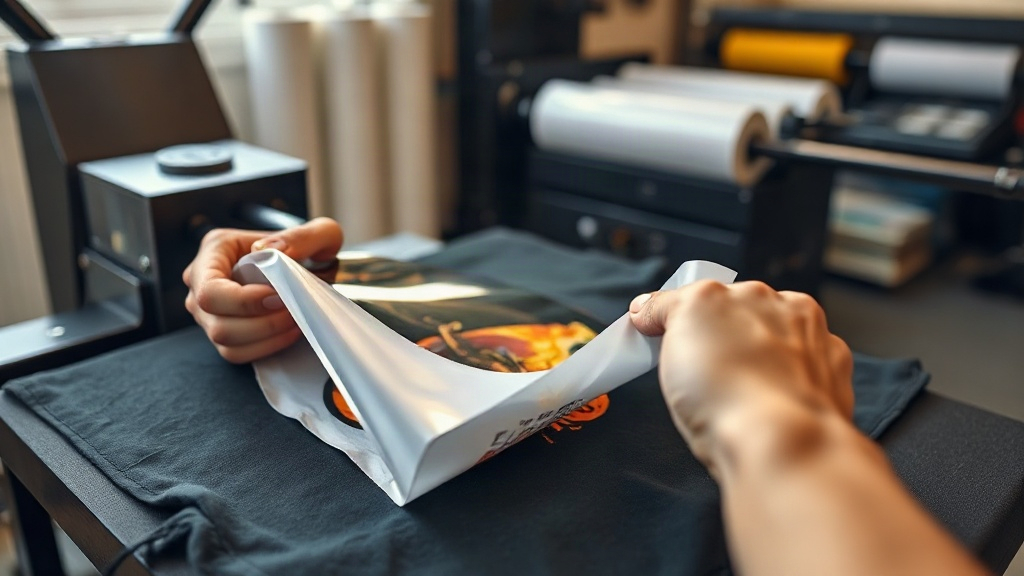
When it comes to custom apparel, DTF transfers have quickly become a favorite among crafters, small business owners, and DIY enthusiasts. Unlike traditional methods that require weeding or specialized equipment, DTF transfers offer a versatile, cost-effective way to bring vibrant designs to life on almost any fabric. Whether you're running a print-on-demand shop or just want to personalize team jerseys, understanding DTF transfers can open up a world of possibilities.
What Are DTF Transfers?
DTF stands for Direct-to-Film. It's a printing technology where your design is printed onto a special film, coated with a adhesive powder, and then heat-pressed onto the fabric. The result is a soft, durable transfer that bonds permanently to the material. Unlike DTG (Direct-to-Garment) printing, which prints directly onto the shirt, DTF transfers allow you to print on a wide range of fabrics, including cotton, polyester, blends, and even leather. This flexibility makes DTF transfers a go-to solution for many apparel decorators.
How DTF Transfers Differ from Other Methods
If you're familiar with heat transfer vinyl (HTV) or screen printing, you might wonder how DTF compares. HTV requires cutting and weeding each color layer, which can be time-consuming for complex designs. Screen printing is cost-effective for large orders but expensive for small batches. DTF transfers, on the other hand, require no weeding and are ideal for detailed, multi-color designs. They also work on dark and light garments without the need for separate underbase screens. Plus, the stretch and durability of DTF transfers often surpass other methods, making them suitable for activewear and items that undergo frequent washing.
The DTF Transfer Process Step by Step
Understanding the process helps you achieve professional results. Here's a breakdown of each stage:
- Design Preparation: Start with a high-resolution image. DTF printing can handle intricate details, but low-quality images may not yield crisp results. Ensure your design is mirrored if using a transfer film that requires it (though many DTF films are printed in reverse by default).
- Printing: Using a DTF printer, your design is printed onto a PET film with special inks. White ink is typically used as a base to make colors pop on dark fabrics.
- Powdering: While the ink is still wet, a hot-melt adhesive powder is applied evenly over the print. Excess powder is shaken off.
- Curing: The film passes through a curing oven or heat press to melt the powder, creating a dry, tacky surface that will bond to the fabric.
- Transfer Application: The cured film is placed on the garment and heat-pressed. After pressing, the film is peeled away (hot or cold peel, depending on the film type), leaving the design adhered to the fabric.
Each step requires attention to detail, but once you get the hang of it, you can produce transfers in bulk and apply them on demand.
Why Choose DTF Transfers for Your Projects?
There are several compelling reasons to incorporate DTF transfers into your workflow:
- No Weeding: Save hours of tedious work, especially on complex designs with many colors.
- Fabric Versatility: Works on cotton, polyester, blends, leather, and more. No need for different techniques for different materials.
- Durability: When applied correctly, DTF transfers withstand repeated washing without cracking or fading.
- Vibrant Colors: The white ink base allows for bright, opaque colors on dark garments.
- Cost-Effective for Small Orders: Unlike screen printing, there's no minimum order quantity. You can print one-off designs economically.
- Stretchability: Ideal for performance wear and stretchy fabrics.
These benefits make DTF transfers a versatile tool for anyone in the custom apparel industry.
Applications of DTF Transfers
From t-shirts and hoodies to tote bags and caps, DTF transfers can be used on a wide array of items. They're particularly popular for:
- Custom t-shirts for events, teams, or businesses.
- Personalized gifts like baby onesies or aprons.
- Activewear that requires flexibility.
- Promotional products with detailed logos.
- Home decor items such as pillow covers.
The possibilities are nearly endless, limited only by your creativity.
Tips for Successful DTF Transfer Application
To get the best results, keep these tips in mind:
- Pre-press the Garment: Remove moisture and wrinkles to ensure proper adhesion.
- Use the Right Settings: Follow the film manufacturer's recommendations for temperature, pressure, and time. Typically, 300-350°F for 10-15 seconds with medium pressure.
- Peel Carefully: Determine if your film is hot peel or cold peel and act accordingly. Rushing can cause the design to lift.
- Post-Press for Durability: After peeling, press again for a few seconds with a cover sheet to enhance washability.
- Store Transfers Properly: Keep unused transfers in a cool, dry place away from direct sunlight.
Following these guidelines will help you achieve professional-looking results every time.
Common Challenges and How to Overcome Them
Even with a great process, issues can arise. Here are some common problems and solutions:
- Adhesion Issues: If the transfer peels off, ensure you're using enough pressure and the correct temperature. Also, check that the fabric is clean and dry.
- Cracking: Over-stretching the garment before cooling can cause cracks. Allow the transfer to cool completely before stretching.
- Color Fading: Washing with harsh chemicals or high heat can fade colors. Turn garments inside out and wash in cold water.
- Film Residue: If film doesn't peel cleanly, it may be due to insufficient cooling or incorrect peel method. Try cold peel if hot peel fails.
With a bit of troubleshooting, you can master DTF transfers.
Frequently Asked Questions About DTF Transfers
What fabrics can I use with DTF transfers?
DTF transfers work on a wide range of fabrics, including cotton, polyester, cotton-poly blends, leather, and even some synthetic materials. They are not recommended for nylon or fabrics with a heavy water-repellent coating.
How long do DTF transfers last?
When applied correctly and cared for properly, DTF transfers can last as long as the garment itself. They withstand dozens of washes without significant fading or cracking. To maximize longevity, wash inside out in cold water and avoid bleach.
Do I need a special printer for DTF transfers?
Yes, DTF printing requires a dedicated DTF printer that uses pigment inks and white ink. However, you can also purchase pre-printed DTF transfers from suppliers and apply them with a heat press.
Can I layer DTF transfers?
Yes, you can layer DTF transfers, but it's best to press each layer separately and ensure proper adhesion before adding the next. Alternatively, design your artwork to include all elements in one transfer.
Is DTF printing cost-effective for small businesses?
Absolutely. DTF transfers have a low startup cost compared to screen printing, and there's no minimum order. You can print one-offs or small batches profitably, making it ideal for small businesses and side hustles.
With these insights, you're well-equipped to explore the world of DTF transfers and elevate your custom apparel game. Whether you're a hobbyist or a pro, this technology offers a reliable, high-quality solution for bringing your designs to life.