
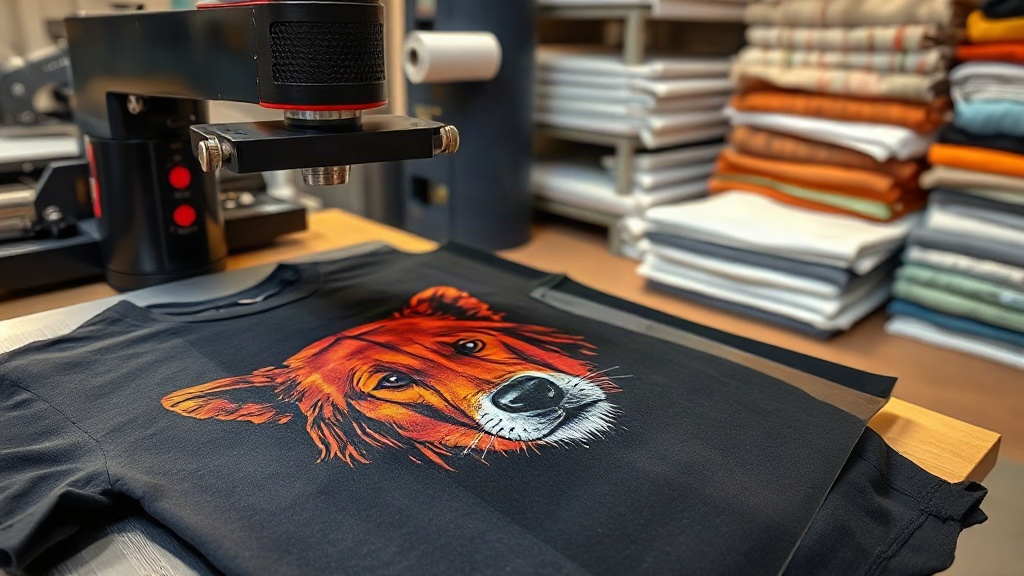
Custom apparel printing has exploded in popularity, and for good reason: people love wearing designs that reflect their personality, brand, or tribe. Among the many printing techniques, DTF transfers have quickly become a favorite for both beginners and professionals. If you're curious about what makes DTF stand out, how to use it, or whether it's right for your next project, you're in the right place. This guide covers everything you need to know, from the science behind the film to the final press.
What Are DTF Transfers?
DTF stands for Direct to Film. It's a printing method where your design is printed onto a special PET film using water-based pigments, then coated with a hot-melt adhesive powder. Once cured, the transfer is ready to be applied to fabric using a heat press. Unlike DTG (Direct to Garment) or screen printing, DTF doesn't require pre-treatment or specialized inks for different fabric colors. It works on almost any material, including cotton, polyester, blends, and even leather.
How DTF Transfers Are Made
The process begins with a digital printer equipped with white and CMYK inks. The design is printed in reverse onto the film, with a white ink base layer that makes colors pop on dark garments. After printing, the film is sprinkled with adhesive powder, shaken to remove excess, and then heated until the powder melts and bonds. The result is a flexible, stretchable transfer that can be stored for months.
Why Choose DTF Transfers Over Other Methods?
If you've tried vinyl or screen printing, you know the limitations: vinyl is tedious for multi-color designs, and screen printing requires setup costs and minimums. DTF eliminates those barriers. Here's why it's gaining traction:
- No color limits: Print photorealistic images, gradients, and fine details without extra cost.
- Fabric versatility: Adheres to cotton, polyester, nylon, leather, and more.
- Durability: With proper care, DTF prints outlast vinyl and even some screen prints.
- Low startup cost: No minimum order; print one or one hundred with the same ease.
Applications of DTF Transfers
DTF isn't just for t-shirts. Its flexibility makes it suitable for a wide range of items:
- Apparel: T-shirts, hoodies, jeans, jackets, and activewear.
- Accessories: Tote bags, hats, and backpacks.
- Home goods: Pillows, blankets, and upholstery.
- Promotional products: Corporate giveaways, event merchandise.
Because DTF transfers can be applied to both light and dark fabrics without fading, they're ideal for personalized gifts and small business merchandise.
Step-by-Step Guide to Applying DTF Transfers
Applying a DTF transfer is straightforward, but following the right steps ensures a professional, long-lasting result. Here's how:
- Preheat your heat press: Set the temperature to 325°F (160°C) for cotton, or 300°F (150°C) for polyester. Preheat for at least 15 minutes to ensure even heat.
- Prepare the garment: Place it on the press and pre-press for 5-10 seconds to remove moisture and wrinkles.
- Position the transfer: Place the DTF film on the garment with the printed side facing up. If you're using a carrier sheet, ensure it's on top.
- Press: Apply medium to firm pressure for 15-20 seconds. For best results, use a press with a digital timer and pressure gauge.
- Peel: Wait 5-10 seconds, then peel the film off in a smooth, continuous motion. If the design lifts, press again for a few seconds.
- Post-press (optional): For extra durability, cover the design with parchment paper and press for another 5-10 seconds.
Common Application Mistakes to Avoid
- Using too little pressure, which causes incomplete adhesion.
- Pressing at too high a temperature, which can scorch the fabric or melt the film.
- Peeling too soon or too late; follow the recommended timing.
- Not pre-pressing the garment, leading to moisture trapped under the transfer.
Designing for DTF Transfers
DTF opens up a world of design possibilities, but a few guidelines will help you get the best results:
- Resolution: Use 300 DPI images for crisp details.
- Color mode: Design in CMYK for accurate color reproduction.
- Background: Remove backgrounds or use transparent PNGs to avoid unwanted white boxes.
- Size: Keep the design within the printable area of your film (usually up to 13" x 19" for desktop printers).
If you're new to DTF, start with simple graphics and gradually experiment with gradients and fine lines.
Caring for DTF-Printed Apparel
To keep your DTF transfers looking vibrant, follow these care tips:
- Wait 24 hours before washing.
- Turn the garment inside out.
- Machine wash cold on a gentle cycle.
- Use mild detergent; avoid bleach and fabric softeners.
- Tumble dry low or hang dry.
- Iron inside out, never directly on the print.
With proper care, DTF prints can last for years without cracking or fading.
DTF vs. Other Printing Methods
How does DTF stack up against DTG, screen printing, and vinyl? Here's a quick comparison:
- DTF vs. DTG: DTF works on more fabrics and doesn't require pre-treatment. DTG is limited to cotton and often fades faster.
- DTF vs. Screen Printing: Screen printing is cost-effective for large orders but has setup fees. DTF is better for small batches and complex designs.
- DTF vs. Vinyl: Vinyl is durable but limited to simple, single-color designs. DTF handles full-color images with ease.
Frequently Asked Questions
How long do DTF transfers last?
With proper washing and care, DTF transfers can last 50+ washes or more. They resist cracking and fading better than many other methods.
Can I apply DTF transfers to polyester?
Yes, DTF works well on polyester. Use a lower temperature (around 300°F) and light pressure to avoid damaging the fabric.
Do I need a special printer for DTF?
You need a DTF printer that uses DTF inks and film. However, you can also buy pre-printed transfers from suppliers if you don't want to invest in a printer.
What's the best way to store DTF transfers?
Store them in a cool, dry place away from direct sunlight. Keep them flat or rolled, not folded, to prevent creases.
Can I stretch DTF-printed fabric?
Yes, DTF transfers are flexible and stretch with the fabric without cracking, provided they are applied correctly.
DTF transfers are a game-changer for custom apparel. Whether you're a hobbyist or a business owner, this technology offers unmatched versatility and quality. With the right techniques and care, your designs will look great and last. So go ahead, unleash your creativity and start printing!