
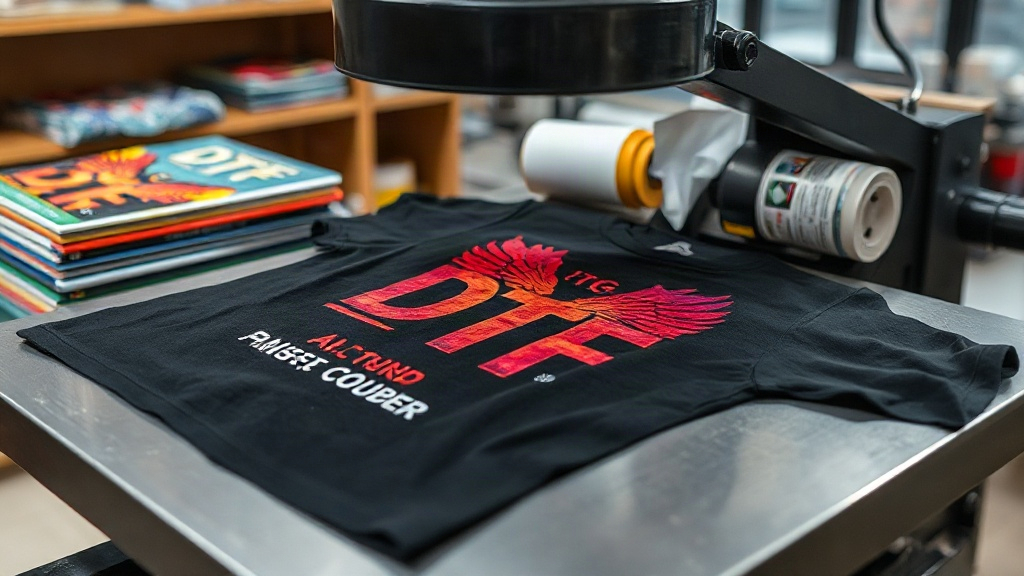
When it comes to custom apparel, the printing method you choose can make or break the final product. Among the many options available, DTF transfers have quickly become a favorite for both small business owners and DIY enthusiasts. But what exactly are they, and why are they gaining so much traction? In this guide, we'll dive deep into the world of DTF transfers, covering everything from the basics to advanced application techniques. By the end, you'll have a clear understanding of whether this method is right for your next project.
What Are DTF Transfers?
DTF stands for Direct to Film. Unlike traditional screen printing or heat transfer vinyl (HTV), DTF transfers involve printing your design onto a special film, coating it with a adhesive powder, and then using a heat press to transfer it onto fabric. The result is a vibrant, durable print that can adhere to a wide range of materials, including cotton, polyester, and blends.
The DTF Process Explained
The DTF process can be broken down into three main steps: printing, powdering, and curing. First, your design is printed onto a PET film using specialized DTF inks. While the ink is still wet, a thermoplastic adhesive powder is applied evenly across the print. Excess powder is shaken off, and then the film is heated to melt the powder, creating a sticky surface that will bond to fabric under heat and pressure.
Materials Needed for DTF Transfers
To get started with DTF transfers, you'll need a few key supplies: a DTF printer (or access to a printing service), DTF ink, PET film, adhesive powder, and a heat press. Additionally, you'll need a design software to prepare your artwork. While the initial investment can be steep, the versatility and quality of DTF transfers often justify the cost for those who print regularly.
Why Choose DTF Transfers Over Other Methods?
There are several compelling reasons why DTF transfers stand out among printing techniques. Let's explore the main advantages.
1. Unmatched Versatility
One of the biggest selling points of DTF transfers is their ability to adhere to almost any fabric. Whether you're working with 100% cotton, polyester, or a blend, DTF transfers produce excellent results. This is particularly beneficial for garments like athletic wear, which often contain synthetic fibers that are tricky for other methods.
2. Vibrant and Durable Prints
DTF transfers are known for their bright, opaque colors and fine detail reproduction. The prints are also highly durable, withstanding repeated washing without fading or cracking. This makes them ideal for items that will see heavy use, such as sports jerseys or work uniforms.
3. No Weeding or Cutting Required
Unlike HTV, DTF transfers don't require any weeding or cutting. Once your design is printed and powdered, you simply press it onto the fabric. This saves a significant amount of time, especially for complex designs with many small elements.
4. Cost-Effective for Small Runs
For small businesses or individuals printing small batches, DTF transfers are more cost-effective than screen printing, which requires separate screens for each color. With DTF, you can print one-off designs without incurring high setup costs.
How to Apply DTF Transfers: Step-by-Step
Applying DTF transfers is straightforward, but following the correct steps is crucial for a professional finish. Here's a detailed guide.
Step 1: Prepare Your Heat Press
Set your heat press to the recommended temperature, typically between 300°F and 325°F (150°C to 160°C). Prepress the garment for a few seconds to remove moisture and wrinkles. This ensures better adhesion.
Step 2: Position the Transfer
Place the DTF transfer onto the garment with the printed side facing up. If your transfer has a white backing, that side should face up. Use heat-resistant tape to secure it if needed.
Step 3: Press the Transfer
Apply medium to firm pressure for 10-15 seconds. The exact time may vary depending on your press and the fabric, so always test first. After pressing, allow the garment to cool completely before peeling off the film. For a matte finish, peel while hot; for a glossy finish, peel after cooling.
Step 4: Post-Press for Durability
For added durability, cover the transferred design with a Teflon sheet or parchment paper and press again for another 5-10 seconds. This helps the adhesive fully cure and ensures the print withstands washing.
Common Mistakes to Avoid with DTF Transfers
Even though DTF transfers are user-friendly, some pitfalls can lead to poor results. Here are a few to watch out for.
- Insufficient pressure: If the pressure is too low, the transfer won't adhere properly. Adjust your press to medium-firm pressure.
- Wrong temperature: Too hot and the film may melt; too cold and the adhesive won't activate. Always follow the manufacturer's recommendations.
- Peeling too early or too late: Peeling at the wrong time can cause the design to lift or leave residue. Know whether your film is hot or cold peel.
- Not pre-pressing: Skipping pre-pressing can trap moisture, leading to poor adhesion and premature peeling.
DTF Transfers vs. Other Printing Methods
To help you decide if DTF is right for you, let's compare it to two popular alternatives: screen printing and heat transfer vinyl (HTV).
DTF vs. Screen Printing
Screen printing is excellent for large orders of simple designs, offering low cost per unit. However, it requires separate screens for each color, making small runs expensive. DTF transfers, on the other hand, are ideal for small to medium runs with complex, multi-color designs. They also work on a wider range of fabrics.
DTF vs. HTV
HTV is great for simple, single-color designs and is widely available for home crafters. But it requires weeding, which is time-consuming for intricate designs. DTF transfers eliminate weeding and can produce photographic-quality prints with gradients and fine details. However, DTF requires a specialized printer and adhesive powder, which may be a barrier for some.
Tips for Getting the Best Results
To ensure your DTF transfers look professional and last long, keep these tips in mind.
- Choose the right film: Not all DTF films are created equal. Invest in high-quality film designed for your printer.
- Store transfers properly: Keep unused transfers in a cool, dry place away from direct sunlight to prevent the adhesive from activating prematurely.
- Test on scrap fabric: Before pressing onto your final garment, do a test press on a similar fabric to dial in your settings.
- Wash inside out: To prolong the life of your DTF prints, wash garments inside out in cold water and avoid harsh detergents.
Frequently Asked Questions About DTF Transfers
How long do DTF transfers last?
With proper application and care, DTF transfers can last as long as the garment itself. They are resistant to cracking, fading, and peeling, even after multiple washes.
Can I use DTF transfers on dark fabrics?
Absolutely! DTF transfers include a white ink layer that makes them opaque, so they show up vividly on both light and dark fabrics.
Do I need a special printer for DTF transfers?
Yes, DTF printing requires a printer that uses DTF ink and can handle PET film. However, if you don't want to invest in a printer, you can order custom DTF transfers from online services.
What is the best temperature for pressing DTF transfers?
The ideal temperature range is typically 300°F to 325°F (150°C to 160°C). However, always check the instructions provided with your specific transfer film, as recommendations may vary.
Can I stretch DTF transfers?
DTF transfers have some stretchability, making them suitable for garments like spandex and lycra. However, excessive stretching may cause the print to crack over time.
Final Thoughts
DTF transfers offer a powerful combination of versatility, durability, and vibrant color that makes them an excellent choice for custom apparel. Whether you're a small business looking to offer unique products or a DIY enthusiast wanting to create personalized items, DTF transfers are worth considering. With the right equipment and techniques, you can achieve professional-quality results that impress. So why not give DTF transfers a try for your next project? Your customers—and your creativity—will thank you.