
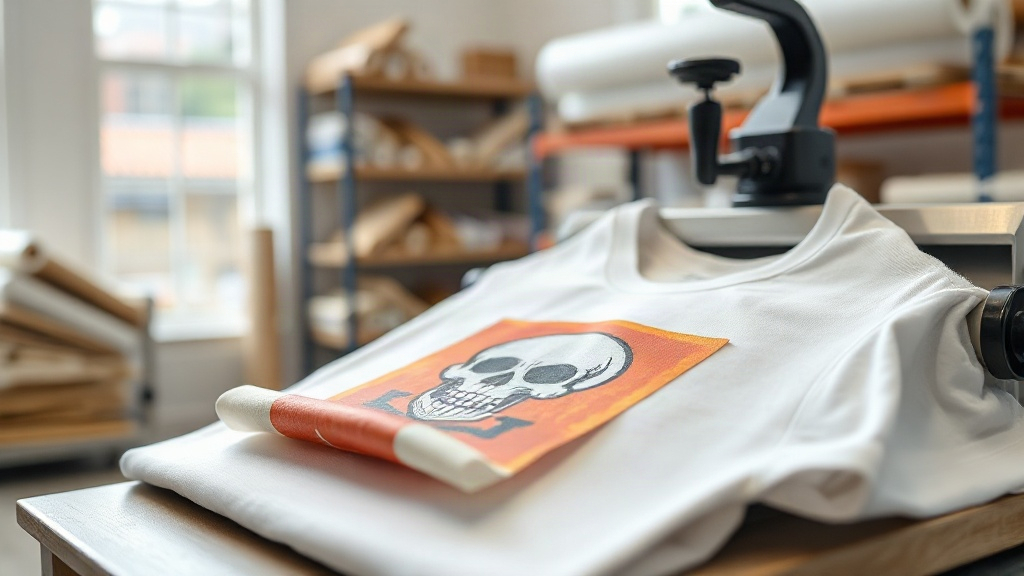
Custom apparel has never been more accessible, thanks to DTF transfers. Whether you're a small business owner looking to offer personalized t-shirts or a DIY enthusiast wanting to create unique gifts, DTF transfers provide a versatile and cost-effective solution. Unlike traditional methods that require specific fabrics or complex setups, DTF transfers work on a wide range of materials, from cotton and polyester to blends and even leather. In this guide, we'll dive deep into what DTF transfers are, how they work, and why they might be the perfect choice for your next project.
What Are DTF Transfers?
DTF stands for Direct-to-Film. It's a printing technology where your design is printed onto a special film, coated with a adhesive powder, and then heat-pressed onto the fabric. The result is a vibrant, durable transfer that feels soft to the touch and withstands repeated washing. Unlike DTG (Direct-to-Garment) printing, which prints directly onto the shirt, DTF transfers allow you to print the design first and apply it later, giving you more flexibility in production and inventory.
The DTF Transfer Process Explained
The process involves several key steps:
- Design Preparation: Your artwork is prepared digitally, ensuring it's mirrored and properly sized.
- Printing: A specialized DTF printer prints the design onto a PET film using CMYK and white inks. The white ink acts as a base, allowing the design to show up on dark fabrics.
- Powder Application: While the ink is still wet, a hot-melt adhesive powder is applied evenly over the design. Excess powder is shaken off.
- Curing: The film passes through a curing oven or heat press to melt the powder, creating a dry, tacky surface.
- Transfer: The film is placed on the garment and heat-pressed. The adhesive melts, bonding the design to the fabric. After cooling, the film is peeled away, leaving the design behind.
This multi-step process might sound complex, but once set up, it's highly efficient and scalable. Many businesses offer DTF transfer services, and you can also invest in your own DTF printer if you plan to produce in-house.
Why Choose DTF Transfers Over Other Methods?
DTF transfers have gained immense popularity because they solve many pain points associated with other decoration techniques. Here's why they stand out:
- Fabric Versatility: Works on cotton, polyester, blends, leather, denim, and even nylon. No need to stock multiple types of transfers for different materials.
- No Weeding or Cutting: Unlike vinyl, DTF transfers don't require weeding or cutting. The design is printed and ready to apply, saving hours of labor.
- Vibrant Colors on Dark Garments: The white ink base ensures colors pop on dark fabrics without the need for a separate white underbase.
- Durability: When applied correctly, DTF transfers resist cracking, peeling, and fading even after 50+ washes.
- Cost-Effective for Short Runs: No minimum order quantities, making them ideal for small batches and personalized items.
- Soft Hand Feel: The adhesive powder creates a flexible, thin layer that doesn't feel rubbery or heavy.
Compared to screen printing, DTF transfers are more affordable for complex, multi-color designs. Compared to vinyl, they offer finer detail and don't require weeding. Compared to DTG, they work on more fabric types and often have better durability.
Applications of DTF Transfers
DTF transfers are used across a wide spectrum of industries and personal projects. Here are some common applications:
- Custom T-shirts: Perfect for events, teams, businesses, and gifts.
- Hoodies and Sweatshirts: Ideal for adding logos or designs to thicker fabrics.
- Tote Bags: Create personalized bags for shopping or promotions.
- Uniforms: Add names, numbers, or logos to sports jerseys and workwear.
- Promotional Items: Branded merchandise like caps, aprons, and more.
- Home Decor: Customize pillowcases, blankets, and even canvas shoes.
The possibilities are nearly endless. If you can heat-press it, you can likely apply a DTF transfer to it.
How to Apply DTF Transfers: Step-by-Step
Applying DTF transfers is straightforward, but following the correct steps ensures a professional, long-lasting result. Here's a detailed guide:
Materials You'll Need
- DTF transfer film with your design
- Heat press (or iron, but heat press is recommended)
- Heat-resistant tape (optional)
- Parchment paper or Teflon sheet
- Garment
Step-by-Step Application
- Preheat the Heat Press: Set the temperature to 325°F (160°C) for cotton, or 300°F (150°C) for polyester. Preheat for about 10-15 minutes to ensure even heat.
- Pre-Press the Garment: Place the garment on the press and press for 5-10 seconds to remove moisture and wrinkles. This helps the transfer adhere better.
- Position the Transfer: Place the DTF transfer face down on the garment. Use heat-resistant tape to secure it if needed.
- Press: Apply medium to firm pressure for 10-15 seconds. For best results, use a press with dual heating elements.
- Cool and Peel: Remove the garment from the press and let it cool for a few seconds. Peel the film off in a smooth, consistent motion. If the design lifts with the film, press again for a few more seconds.
- Post-Press (Optional): For added durability, place a Teflon sheet over the design and press again for 5-10 seconds.
Always test on a scrap piece of fabric first to dial in your settings. Different fabrics and transfer brands may require slight adjustments.
DTF Transfers vs. Other Decoration Methods
To help you decide if DTF is right for you, let's compare it to other popular methods:
DTF vs. Screen Printing
Screen printing is cost-effective for large orders of simple designs, but it requires separate screens for each color, making multi-color designs expensive. DTF transfers have no setup costs and handle complex designs with ease. However, screen printing can be faster for very large runs and may offer a slightly more durable finish on certain fabrics. For short runs and detailed art, DTF wins.
DTF vs. DTG
DTG prints directly onto the garment, which is great for 100% cotton and small details. But DTG requires pre-treatment, can clog printers, and doesn't work well on polyester. DTF transfers work on almost any fabric, don't require pre-treatment, and often have better wash durability. DTG may have a softer feel on cotton, but DTF is close.
DTF vs. Vinyl (HTV)
Heat transfer vinyl is great for simple one-color designs and names. It requires weeding, which is time-consuming for intricate designs. DTF transfers eliminate weeding, support full-color graphics, and adhere to more fabrics. Vinyl can be more durable for single-color text, but DTF offers greater design freedom.
Tips for Getting the Best Results with DTF Transfers
To ensure your DTF transfers look professional and last, keep these tips in mind:
- Choose Quality Supplies: Not all DTF films and powders are created equal. Invest in reputable brands for consistent results.
- Control Moisture: Store transfer film in a cool, dry place. Moisture can ruin the adhesive powder.
- Use the Right Pressure: Too little pressure causes poor adhesion; too much can cause the design to spread. Aim for medium-firm pressure.
- Test Wash Durability: Before selling, wash a sample garment to ensure the transfer holds up. Follow care instructions: wait 24 hours before first wash, wash inside out in cold water, and avoid bleach.
- Experiment with Fabrics: While DTF works on many fabrics, some like nylon may require lower temperatures. Always test.
Frequently Asked Questions About DTF Transfers
How long do DTF transfers last?
With proper application and care, DTF transfers can last as long as the garment itself, often exceeding 50 washes without significant fading or cracking.
Can I use a regular iron to apply DTF transfers?
While a regular iron can work in a pinch, it's not recommended because it's hard to achieve consistent temperature and pressure. A heat press is highly recommended for professional results.
Do DTF transfers work on dark colors?
Yes, DTF transfers are excellent for dark fabrics because they include a white ink layer that makes colors vibrant and opaque.
What is the difference between DTF and DTG?
DTF (Direct-to-Film) involves printing on a film and then transferring to the garment, while DTG (Direct-to-Garment) prints directly onto the garment. DTF works on more fabric types and often has better durability, while DTG is limited mainly to cotton.
Can I stretch DTF transfers?
DTF transfers have some stretchability, but they are not as elastic as the fabric itself. For highly stretchy fabrics like spandex, consider using a stretchable transfer or design with that in mind.
DTF transfers are a game-changer in the world of custom apparel. Whether you're a hobbyist or a business owner, they offer unmatched versatility, durability, and quality. By understanding the process and following best practices, you can create stunning, long-lasting garments that impress. So why not give DTF transfers a try for your next project? Your customers and your creativity will thank you.