
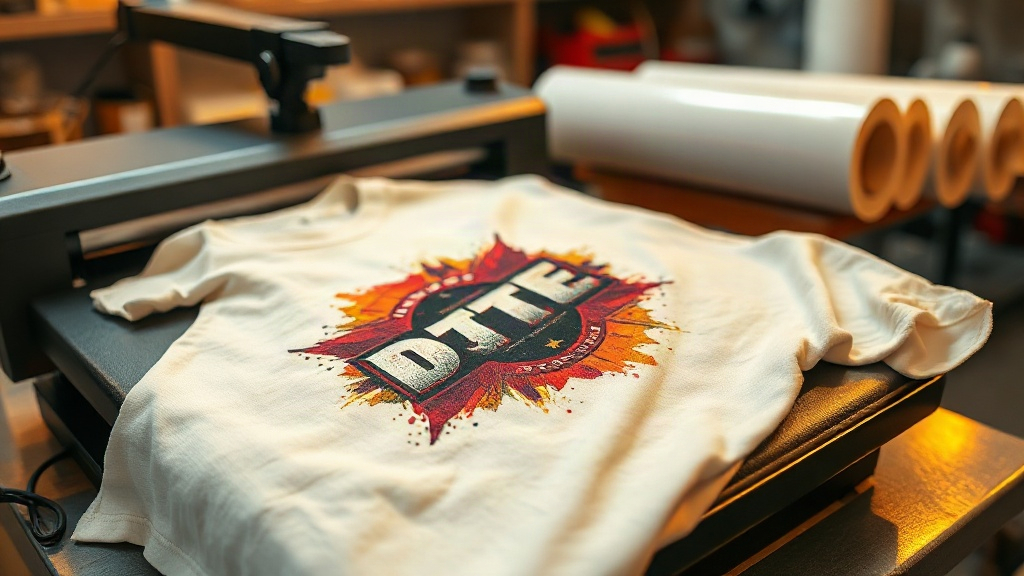
Custom apparel printing has evolved dramatically over the past decade, and one technology that has captured the attention of both hobbyists and professionals is DTF transfers. Unlike traditional methods that require specific fabrics or complicated setups, DTF transfers offer a versatile, cost-effective solution for bringing vibrant designs to life on almost any garment. Whether you're running a small print shop or just starting to explore custom clothing, understanding DTF transfers can open up a world of creative possibilities.
What Are DTF Transfers?
DTF stands for Direct to Film. It's a printing process where your design is printed onto a special PET film using water-based pigments, then coated with a hot-melt adhesive powder. Once the powder is cured, the transfer is ready to be applied to fabric using a heat press. The magic of DTF transfers lies in their ability to bond with a wide range of materials, including cotton, polyester, blends, and even leather. This flexibility sets them apart from other methods like DTG (Direct to Garment) or vinyl, which often struggle with certain fabrics.
How DTF Transfers Work: Step by Step
To appreciate the value of DTF transfers, it helps to understand the process. Here's a breakdown of the key steps:
- Design Preparation: Your artwork is prepared digitally, ensuring it's mirrored and sized correctly. A white ink layer is typically added underneath the color layers to make the design pop on dark garments.
- Printing: The design is printed onto a PET film using a DTF printer equipped with pigment inks. The printer lays down the white ink first, followed by the CMYK colors.
- Powdering: While the ink is still wet, a hot-melt adhesive powder is applied evenly over the printed area. Excess powder is shaken off.
- Curing: The film passes through a curing oven or under a heat source to melt the powder, creating a dry, tacky surface that will bond with fabric.
- Transfer: The cured film is placed on the garment and pressed with a heat press at a specific temperature and pressure for a set time. After pressing, the film is peeled away (hot or cold peel, depending on the film type), leaving the design adhered to the fabric.
Each step requires attention to detail, but the overall process is straightforward once you get the hang of it. The result is a durable, stretchable print that feels soft to the touch.
Why Choose DTF Transfers Over Other Methods?
If you're wondering whether DTF transfers are right for your projects, consider these advantages:
- Fabric Versatility: DTF transfers work on almost any fabric, including 100% cotton, polyester, blends, and even treated leather. This eliminates the need for multiple printing methods.
- Vibrant Colors: The pigment inks used in DTF printing produce bright, opaque colors, especially on dark garments, thanks to the white ink base.
- Durability: When applied correctly, DTF transfers withstand repeated washing without cracking, peeling, or fading. They also stretch with the fabric, making them ideal for athletic wear.
- Cost-Effective for Short Runs: Unlike screen printing, which requires separate screens for each color, DTF transfers are economical for small batches and one-off designs. You can print a single transfer without setup fees.
- No Weeding or Cutting: Unlike heat transfer vinyl (HTV), DTF transfers don't require weeding, saving time and reducing waste.
- Detailed Designs: DTF printers can reproduce intricate details, gradients, and photographic images with impressive accuracy.
These benefits make DTF transfers a favorite among custom apparel creators who want flexibility without sacrificing quality.
DTF Transfers vs. Other Printing Methods
To make an informed decision, it's helpful to compare DTF transfers with other popular techniques:
DTF vs. DTG
Direct to Garment (DTG) printing is great for 100% cotton and offers a soft feel, but it requires pre-treatment and often struggles with polyester. DTF transfers, on the other hand, adhere well to polyester and blends without pre-treatment, and they produce more vibrant colors on dark fabrics.
DTF vs. Screen Printing
Screen printing is the gold standard for large orders, offering unmatched durability and cost efficiency at high volumes. However, it's not practical for small runs due to setup costs and color limitations. DTF transfers shine in short runs and for designs with many colors or gradients.
DTF vs. HTV
Heat transfer vinyl is popular for its ease of use, but it requires weeding and layering for multi-color designs. DTF transfers eliminate weeding and can print full-color designs in one go, making them faster and more versatile.
Applications of DTF Transfers
DTF transfers are used across a wide spectrum of apparel and accessories. Common applications include:
- T-shirts, hoodies, and sweatshirts
- Sports jerseys and activewear
- Tote bags and backpacks
- Denim jackets and jeans
- Leather goods (e.g., bags, shoes)
- Corporate uniforms and promotional items
Because DTF transfers bond with so many materials, they're a go-to solution for personalized gifts, small business merchandise, and event apparel.
Tips for Successful DTF Transfer Application
To get the best results with DTF transfers, follow these practical tips:
- Pre-press the garment: Remove moisture and wrinkles before applying the transfer. This ensures proper adhesion.
- Use the right temperature and pressure: Typically, 325°F (160°C) with medium pressure for 10-15 seconds. Always check your film's instructions.
- Peel correctly: Some films are hot peel, others cold peel. Follow the manufacturer's recommendation.
- Post-press for durability: After peeling, press again for a few seconds with a cover sheet to enhance wash resistance.
- Store transfers properly: Keep unused transfers in a cool, dry place away from direct sunlight.
These small steps can significantly improve the longevity and appearance of your prints.
Frequently Asked Questions About DTF Transfers
How long do DTF transfers last on a shirt?
With proper application and care, DTF transfers can last as long as the garment itself. They withstand dozens of washes without fading or cracking. To maximize lifespan, wash inside out in cold water and avoid harsh detergents.
Can I use DTF transfers on 100% polyester?
Yes, DTF transfers work exceptionally well on polyester. The low-temperature application and flexible adhesive prevent the ink from dyeing the fabric or cracking, unlike some other methods.
Do I need a special printer for DTF transfers?
Yes, DTF printing requires a dedicated DTF printer that uses pigment inks and can handle PET film. However, you can also buy pre-printed DTF transfers from suppliers if you don't want to invest in a printer.
What's the difference between hot peel and cold peel DTF film?
Hot peel film allows you to remove the carrier sheet immediately after pressing while the transfer is still hot. Cold peel requires you to wait until the transfer cools completely before peeling. Both yield durable results, but hot peel is faster for production.
Can I layer DTF transfers?
Yes, you can layer DTF transfers to create multi-dimensional designs. Just press the first layer, peel, then apply the second layer on top, pressing again. This technique is great for adding names or numbers over a base design.
DTF transfers have truly democratized custom apparel printing, offering a blend of quality, versatility, and affordability that's hard to beat. Whether you're a DIY enthusiast or a growing business, incorporating DTF transfers into your workflow can elevate your creations and delight your customers. So why not give it a try? Your next custom shirt could be your best one yet.