
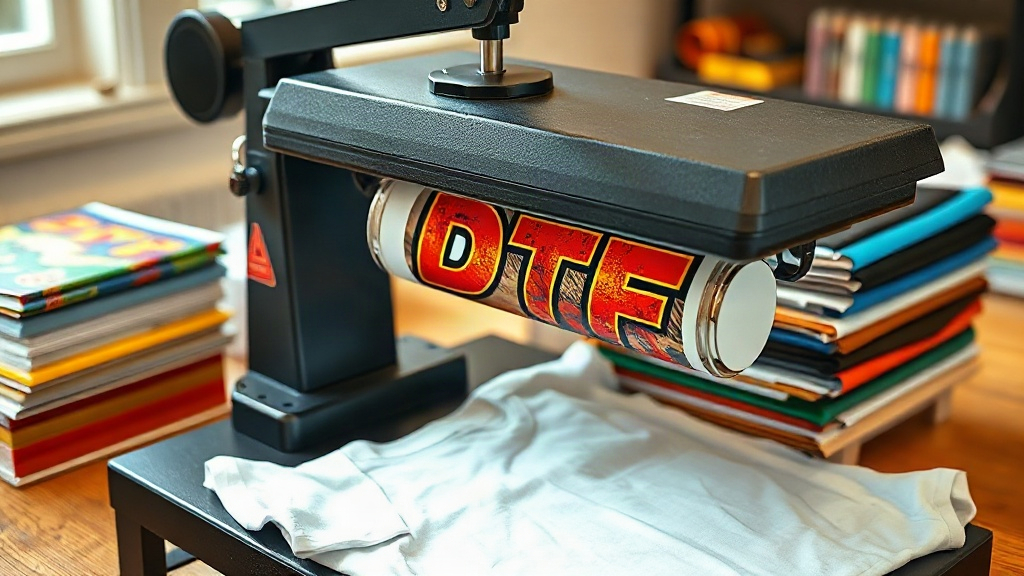
If you've been exploring custom apparel printing, you've likely encountered DTF transfers. This innovative technology is rapidly becoming a favorite among crafters and professionals alike, offering vibrant colors and incredible durability. Whether you're running a small business or just love creating personalized items, understanding DTF transfers can open up a world of possibilities. In this guide, we'll walk you through everything you need to know to get started with confidence.
What Are DTF Transfers?
DTF stands for Direct to Film. It's a printing method where your design is printed onto a special film, then coated with a adhesive powder and cured. The result is a transfer that can be heat-pressed onto various fabrics. Unlike DTG (Direct to Garment) or screen printing, DTF transfers don't require pre-treatment or specialized equipment, making them accessible for home-based creators.
The process involves printing with specialized inks onto a PET film, applying a thermoplastic powder, and then curing the powder. Once ready, the transfer can be stored and used later. When you're ready to apply, you simply heat press it onto your garment. The adhesive melts and bonds the ink to the fabric, creating a durable and flexible print.
Why Choose DTF Transfers?
There are several reasons why DTF transfers have gained popularity:
- Vibrant colors: DTF printers use CMYK plus white ink, allowing for bright, opaque designs on both light and dark fabrics without the need for separate white underbase.
- Versatility: You can apply DTF transfers to cotton, polyester, blends, and even treated nylon. This makes them ideal for a wide range of apparel.
- Durability: When applied correctly, DTF prints resist cracking, peeling, and fading, even after multiple washes.
- No weeding: Unlike vinyl, there's no tedious weeding process. You print, powder, cure, and press.
- Cost-effective for small batches: No setup fees or minimum orders, making them perfect for one-off projects or small runs.
These benefits make DTF transfers a strong contender for both hobbyists and small businesses looking to produce high-quality custom items.
How to Apply DTF Transfers: Step-by-Step
Applying DTF transfers is straightforward if you follow the right steps. Here's a detailed guide to ensure flawless results.
1. Gather Your Materials
Before you start, make sure you have:
- A heat press (or an iron with no steam)
- Your DTF transfer
- The garment you want to decorate
- Parchment paper or a Teflon sheet
- Heat-resistant tape (optional)
2. Prepare Your Workspace
Set up your heat press on a sturdy, heat-resistant surface. Preheat it to the recommended temperature, usually between 300°F and 325°F (150°C to 160°C). If you're using an iron, set it to the highest cotton setting with steam turned off.
3. Position the Transfer
Place your garment on the press. Pre-press for a few seconds to remove wrinkles and moisture. Then, position the DTF transfer with the printed side facing up. If needed, secure it with heat-resistant tape to prevent shifting.
4. Press the Transfer
Cover the transfer with parchment paper or a Teflon sheet. Apply medium to firm pressure for 10-15 seconds. The exact time and temperature can vary by film manufacturer, so always check the instructions. After pressing, allow the garment to cool completely before peeling the film.
5. Peel and Finish
Once cool, peel the film off in a smooth, consistent motion. If any part of the design lifts, re-press for a few more seconds. For added durability, you can press again with a cover sheet for another 5-10 seconds.
Common Mistakes to Avoid
Even with a simple process, mistakes can happen. Here are some pitfalls to watch out for:
- Insufficient pressure: Without enough pressure, the adhesive won't bond properly, leading to premature peeling.
- Wrong temperature: Too low, and the adhesive won't activate; too high, and you risk scorching the fabric or film.
- Peeling too soon: Always let the transfer cool completely before peeling. Peeling while hot can distort the design.
- Not pre-pressing: Moisture in the fabric can cause the transfer to fail. Always pre-press to remove moisture.
- Using the wrong film: Ensure your DTF film is compatible with your printer and ink.
By avoiding these common errors, you'll achieve professional-looking results every time.
DTF vs. Other Printing Methods
How does DTF stack up against other popular printing techniques? Let's compare:
- DTF vs. DTG: DTG requires pre-treatment and works best on 100% cotton. DTF works on more fabrics and doesn't need pre-treatment, but may have a slightly thicker feel.
- DTF vs. Screen Printing: Screen printing is cost-effective for large orders but has setup costs. DTF is better for small batches and complex designs.
- DTF vs. Vinyl: Vinyl is limited to simple designs and requires weeding. DTF can handle full-color, detailed images with no weeding.
- DTF vs. Sublimation: Sublimation only works on polyester and light-colored fabrics. DTF works on cotton and dark fabrics.
Each method has its place, but DTF transfers offer a unique blend of versatility and quality.
Tips for Long-Lasting DTF Prints
To ensure your DTF prints stand the test of time, follow these care tips:
- Wait 24 hours before washing the garment.
- Turn the garment inside out before washing.
- Use cold water and mild detergent.
- Avoid bleach and fabric softeners.
- Tumble dry on low or hang to dry.
- Iron inside out, never directly on the print.
With proper care, your DTF transfers can last as long as the garment itself.
Frequently Asked Questions
Can I use DTF transfers on any fabric?
DTF transfers work on a wide range of fabrics, including cotton, polyester, blends, and even some synthetic materials. However, fabrics with a rough texture or heavy coating may not yield the best results. For best adhesion, choose smooth, tightly woven fabrics.
How long do DTF transfers last?
When applied correctly and cared for properly, DTF transfers can last for years. They resist cracking and fading, but following washing instructions is key to longevity. Avoid high heat and harsh chemicals to extend the life of your print.
Do I need a special printer for DTF transfers?
Yes, DTF printing requires a printer that uses DTF inks and a film that can handle the powder. You can purchase pre-made DTF transfers from suppliers if you don't want to invest in a printer. Many online services offer custom DTF transfers at affordable prices.
What is the best temperature for pressing DTF transfers?
The ideal temperature typically ranges from 300°F to 325°F (150°C to 160°C), but it's crucial to follow the specific instructions provided by your transfer supplier. Different films and adhesives may require slightly different settings. Always test on a scrap piece first.
Can I layer DTF transfers?
Yes, you can layer DTF transfers to create multi-color designs. Press the first layer, let it cool, peel, then press the next layer on top. This allows for intricate, multi-dimensional designs. Just ensure each layer is properly bonded before adding the next.
DTF transfers are revolutionizing the custom apparel industry, offering unmatched versatility and quality. By mastering the application process and avoiding common mistakes, you can create stunning, durable prints that impress. Whether you're a hobbyist or a business owner, incorporating DTF transfers into your workflow can elevate your creations. So why not give it a try? Your next project could be your best yet.