
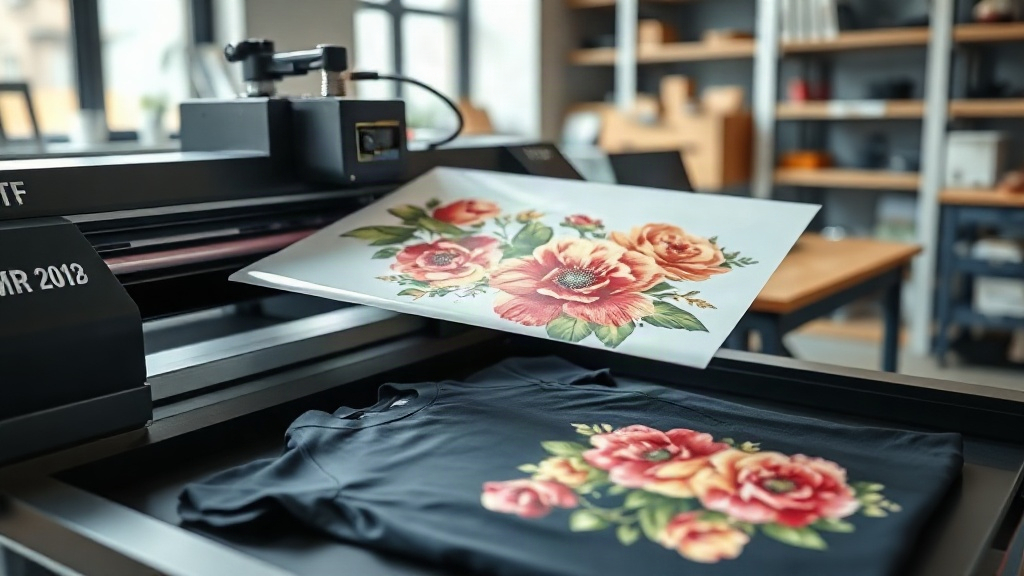
Imagine launching a custom apparel brand without inventory risks or minimum orders. That's the promise of DTF printing, a digital technology that's rapidly transforming the print-on-demand industry. Unlike traditional methods that require costly setup and bulk production, DTF (Direct-to-Film) printing lets you produce vibrant, full-color designs on demand, one shirt at a time. In this guide, we'll walk you through everything you need to know about DTF printing, from how it works to why it's a game-changer for entrepreneurs and creatives.
What is DTF Printing?
DTF printing is a digital printing method where designs are printed onto a special film, coated with adhesive powder, and then heat-pressed onto fabric. This process allows for intricate, multi-color designs without the constraints of screen printing or the limitations of DTG (Direct-to-Garment) on dark fabrics. The result is a soft, stretchable print that adheres well to cotton, polyester, blends, and even non-traditional materials like canvas and denim.
The technology emerged as a solution for small businesses needing high-quality, short-run prints. It bridges the gap between affordability and quality, making it a favorite among print-on-demand sellers.
How Does DTF Printing Work?
Understanding the DTF process helps you appreciate its potential. Here's a step-by-step breakdown:
- Design Preparation: Create your artwork in a graphics program, ensuring it's mirrored (unless your printer software does it automatically).
- Printing: The design is printed onto a PET film using specialized DTF inks and a printer equipped with a white ink channel.
- Powdering: While the ink is wet, a hot-melt adhesive powder is applied evenly over the print. Excess powder is shaken off.
- Curing: The film passes through a curing oven or heat press to melt the powder, creating a dry, tacky surface.
- Transfer: The film is placed on the garment and heat-pressed. After cooling, the film is peeled away, leaving the design bonded to the fabric.
Each step requires precision, but with practice, the workflow becomes second nature.
Why Choose DTF for Print on Demand?
Print-on-demand businesses thrive on flexibility and low overhead. DTF printing aligns perfectly with these needs. Here's why:
- No minimum orders: Print one or one hundred; it's cost-effective either way.
- Vibrant colors: Achieve photographic detail and gradients that screen printing can't match.
- Versatile fabrics: Works on cotton, polyester, blends, and more, including dark colors.
- Durability: Prints withstand repeated washing without cracking or fading.
- Speed: From design to finished product in under an hour.
These advantages make DTF an ideal choice for entrepreneurs testing new designs or offering personalized products.
DTF vs. Other Printing Methods
How does DTF stack up against DTG, screen printing, and sublimation?
DTF vs. DTG
DTG prints directly onto fabric, which limits detail on dark garments unless a white base is applied. DTF transfers a pre-printed film, ensuring consistent vibrancy on any color. DTF also works on more fabric types, while DTG is primarily for cotton.
DTF vs. Screen Printing
Screen printing is cost-effective for large orders but requires setup per color. DTF has no setup costs and handles complex designs easily, making it better for small batches and detailed artwork.
DTF vs. Sublimation
Sublimation only works on polyester and light-colored fabrics, and the design becomes part of the fabric. DTF sits on top, offering brighter colors and compatibility with cotton.
For print-on-demand, DTF often wins due to its versatility and low entry barrier.
Getting Started with DTF Printing
Ready to dive in? Here's what you need:
- DTF Printer: Options range from converted Epson models to dedicated DTF printers. Expect to invest $1,500 to $5,000 for a starter setup.
- DTF Inks: Use pigment-based inks designed for DTF, including white ink for opacity.
- PET Film: Choose double-sided matte film for best results.
- Adhesive Powder: Thermoplastic polyurethane (TPU) powder is standard.
- Heat Press: A commercial-grade press with even pressure and temperature control.
- Curing Oven: Optional but recommended for consistent curing.
Start with a small setup and scale as your business grows.
Tips for Perfect DTF Transfers
Mastering DTF printing takes practice. Keep these tips in mind:
- Mirror your design: Always print mirrored to ensure correct orientation when transferred.
- Control moisture: Store film and powder in a dry environment to prevent clumping.
- Test press settings: Temperature, pressure, and time vary by fabric. Start with 325°F for 15 seconds, then adjust.
- Peel correctly: Wait for the transfer to cool completely before peeling for a matte finish, or peel hot for a glossy look.
- Wash inside out: Advise customers to wash garments inside out in cold water and avoid ironing directly on the print.
These small details make a big difference in quality and customer satisfaction.
Common Challenges and Solutions
Even with experience, you might face issues. Here's how to troubleshoot:
- Faded prints: Ensure enough white ink and proper curing. Increase white ink density or check powder application.
- Cracking: Usually due to under-curing or excessive stretching. Adjust curing time and temperature.
- Poor adhesion: Might be insufficient pressure or wrong powder. Use a consistent pressure and high-quality TPU powder.
- Clogged printheads: Regular maintenance and daily printing prevent clogs. Use cleaning solutions as recommended.
With patience, you'll overcome these hurdles and produce professional-grade transfers.
Is DTF Printing Right for Your Business?
If you're in print on demand, DTF offers a competitive edge. It's perfect for:
- Small-batch custom orders
- Complex, multi-color designs
- Dark and synthetic fabrics
- Quick turnaround times
However, if you only print on white cotton t-shirts in large volumes, DTG or screen printing might be more economical. Evaluate your product mix and customer base to decide.
Frequently Asked Questions
What is the difference between DTF and DTG printing?
DTF involves printing on a film and transferring to fabric, while DTG prints directly onto the garment. DTF works on more fabric types and dark colors without pre-treatment, whereas DTG is limited to cotton and requires pretreatment for dark shirts.
How long do DTF prints last?
With proper care, DTF prints can last 50+ washes. Avoid harsh detergents and high heat to extend longevity.
Can I use DTF on polyester?
Yes, DTF adheres well to polyester and blends. Use lower heat settings to prevent scorching.
What equipment do I need to start DTF printing?
You'll need a DTF printer, DTF inks, PET film, adhesive powder, a heat press, and optionally a curing oven. Start with a basic setup and upgrade as you grow.
Is DTF printing profitable for print on demand?
Absolutely. With low startup costs, no minimums, and high-quality output, DTF allows for healthy profit margins, especially for custom and small-batch orders.
Embrace DTF printing to unlock new possibilities in custom apparel. With its flexibility and stunning results, it's a skill worth mastering for any print-on-demand entrepreneur.