
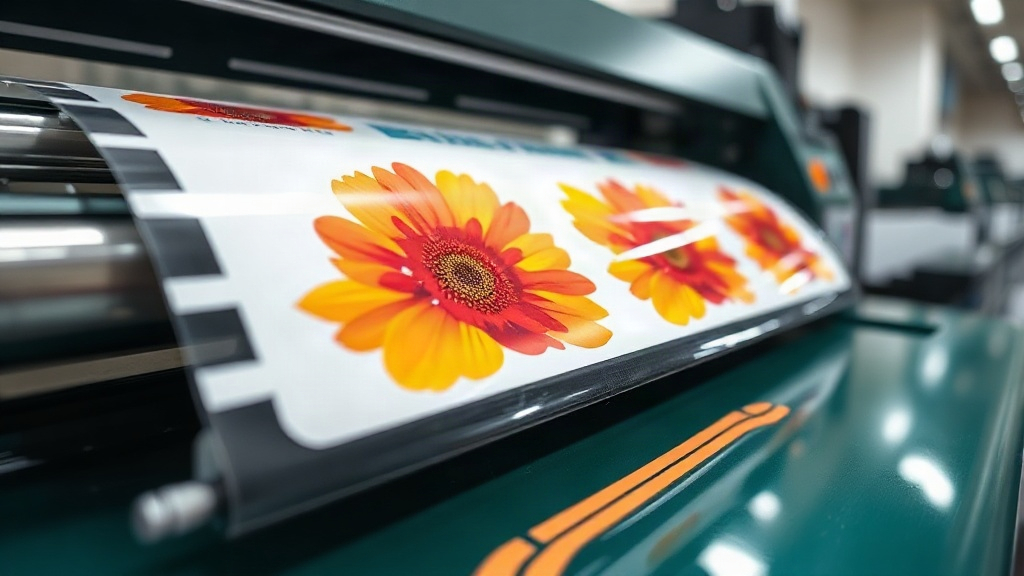
In the competitive world of print on demand (POD), choosing the right printing method can make or break your business. Among the latest innovations, DTF printing (Direct to Film) has emerged as a game-changer, offering unparalleled versatility and vibrant results. Whether you're a seasoned POD seller or just starting out, understanding DTF printing can give you a significant edge. This guide dives deep into DTF printing, covering everything from the process to practical tips, so you can decide if it's the right fit for your shop.
What is DTF Printing?
DTF printing, or Direct to Film, is a digital printing technique where your design is first printed onto a special film, then coated with a powdered adhesive, and finally heat-pressed onto the fabric. Unlike DTG (Direct to Garment), which prints directly onto the garment, DTF uses a transfer film as an intermediary. This method has gained massive popularity in the POD community because it works on a wide range of fabrics, including cotton, polyester, blends, and even treated nylon, without requiring pre-treatment.
The DTF Printing Process Step by Step
To give you a clear picture, here's how DTF printing works:
- Design Preparation: Create your artwork in a graphics program, ensuring it's mirrored (unless your printer software does it automatically).
- Printing: Using a DTF printer, the design is printed onto a PET film with special DTF inks (typically CMYK plus white).
- Powder Application: While the ink is still wet, a hot-melt adhesive powder is sprinkled over the film. Excess powder is shaken off.
- Curing: The film passes through a heat source (like a heat press or oven) to melt the powder, creating a flexible adhesive layer.
- Transfer: The film is placed on the fabric and heat-pressed at a specific temperature and pressure for a set time. After cooling, the film is peeled away, leaving the design bonded to the fabric.
This process might sound complex, but with the right equipment, it becomes second nature. The key advantage is that you can print designs in bulk and store the transfers for later use, streamlining your production workflow.
Why DTF Printing is a Game-Changer for Print on Demand
Print on demand businesses thrive on flexibility and quick turnaround. DTF printing excels in both areas. Here are the main reasons why POD sellers are switching to DTF:
- Fabric Versatility: Unlike DTG, which works best on 100% cotton, DTF adheres well to cotton, polyester, blends, and even leather. This means you can offer designs on a broader range of products, from t-shirts to hoodies to tote bags.
- No Pre-Treatment: DTG requires pre-treating dark garments, which adds time and cost. DTF eliminates this step, simplifying your process.
- Vibrant Colors: DTF inks produce bright, opaque colors, even on dark fabrics. The white ink layer ensures your design pops without fading.
- Durability: When applied correctly, DTF prints are highly durable, withstanding multiple washes without cracking or peeling. They stretch with the fabric, making them ideal for stretchy materials.
- Cost-Effective for Small Batches: While the initial setup cost for a DTF printer might be higher, the per-unit cost for small to medium batches is often lower than other methods, especially for complex designs.
- Storage and Shipping: You can print transfers in advance and store them, allowing for quick fulfillment. This is perfect for POD sellers who dropship or handle orders on demand.
These benefits make DTF a compelling choice for POD entrepreneurs looking to expand their product offerings and improve efficiency.
DTF vs. DTG: Which is Right for Your POD Business?
Both DTF and DTG have their strengths and weaknesses. Let's compare them side by side:
- Fabric Compatibility: DTF wins here, as it works on almost any fabric, while DTG is limited to cotton-heavy garments.
- Color Vibrancy: DTF produces more vibrant colors on dark fabrics due to the white ink base. DTG can sometimes look muted on dark colors without pre-treatment.
- Feel: DTG prints directly onto the fabric, resulting in a soft, almost invisible feel. DTF transfers have a slight texture, but modern films are thin and flexible.
- Durability: Both are durable when properly applied, but DTF tends to hold up better on stretchy fabrics and after repeated washes.
- Cost and Setup: DTG printers are generally more expensive and require daily maintenance to prevent clogging. DTF printers are more affordable and have a simpler maintenance routine.
- Workflow: DTF allows you to print transfers in bulk and store them, while DTG requires printing directly onto each garment as ordered.
Your choice depends on your specific needs. If you offer a wide range of fabrics and want vibrant colors, DTF is likely the better option. If you specialize in 100% cotton and prefer a softer feel, DTG might be sufficient.
Getting Started with DTF Printing: Essential Tips
If you're convinced that DTF printing is right for your POD business, here are some practical tips to ensure success:
1. Invest in Quality Equipment
A reliable DTF printer and heat press are crucial. Look for printers with good support and a reputation for durability. The heat press should have precise temperature and pressure controls, as these factors significantly affect the final result.
2. Choose the Right Film and Powder
Not all DTF films and powders are created equal. Use high-quality PET film designed for DTF printing and a hot-melt adhesive powder that matches your ink type. Cheaper alternatives can lead to poor adhesion and fading.
3. Master the Heat Press Settings
Each fabric type may require slightly different settings. Typically, you'll press at around 160°C (320°F) for 10-15 seconds with medium pressure. Always test on a scrap piece first. After pressing, let the transfer cool completely before peeling (cold peel) for best results.
4. Optimize Your Designs
While DTF can handle fine details, avoid extremely thin lines that might not transfer well. Also, consider the fabric color: white ink is used as a base, so designs with white elements will show up well on dark garments.
5. Perform Wash Tests
Before offering a design to customers, wash a sample garment a few times to ensure the print holds up. This helps you catch any issues with adhesion or durability early on.
6. Store Transfers Properly
Keep unused transfers in a cool, dry place, away from direct sunlight. Proper storage ensures they remain usable for months.
Common Challenges and How to Overcome Them
Even with the best equipment, you might encounter some hurdles. Here are common issues and solutions:
- Poor Adhesion: Usually caused by insufficient pressure, incorrect temperature, or outdated powder. Adjust your heat press settings and ensure powder is fresh.
- Cracking or Peeling: This can happen if the transfer is stretched too much during application or if the powder wasn't fully cured. Make sure to cure the powder properly and press evenly.
- Color Fading: Use high-quality inks and store prints away from sunlight. Also, washing garments inside out in cold water helps preserve the print.
- Clogged Printheads: Regular maintenance, such as daily cleaning and printing a test pattern, prevents clogs. DTF printers require less maintenance than DTG but still need care.
By addressing these challenges proactively, you can maintain high-quality output and customer satisfaction.
Is DTF Printing Worth It for Your Print on Demand Business?
Absolutely, if you're looking to expand your product range, reduce production time, and offer vibrant designs on various fabrics. DTF printing has revolutionized the POD industry by providing a versatile, cost-effective solution that meets the demands of modern consumers. While there is a learning curve and initial investment, the long-term benefits often outweigh the costs. As with any business decision, assess your specific needs and volume. If you frequently print on dark or synthetic fabrics, DTF is a no-brainer. If you only print on white cotton t-shirts, you might stick with DTG. But for many POD sellers, DTF is the future.
Frequently Asked Questions About DTF Printing
What fabrics can I use with DTF printing?
DTF printing works on a wide range of fabrics, including cotton, polyester, cotton-poly blends, nylon, leather, and even some treated synthetic materials. It's particularly effective on dark and stretchy fabrics where other methods struggle.
How durable is a DTF print?
When applied correctly, DTF prints are very durable and can withstand 50+ washes without significant fading, cracking, or peeling. Proper washing (inside out, cold water, no bleach) extends the life of the print.
Do I need special equipment for DTF printing?
Yes, you'll need a DTF printer, DTF ink, PET film, hot-melt adhesive powder, and a heat press. Some sellers also use a powder shaker and curing oven for larger operations, but a heat press can handle both curing and transferring for small-scale production.
Is DTF printing more expensive than DTG?
The initial cost of a DTF printer is generally lower than a DTG printer, and the per-print cost can be lower for small batches. However, you also need to factor in the cost of film and powder. Overall, DTF can be more cost-effective for many POD businesses, especially those offering a variety of products.
Can I use DTF printing for small details and fine lines?
Yes, DTF printing can reproduce fine details and small text, but it's essential to use high-quality film and ensure proper resolution. Avoid extremely thin lines (less than 0.5pt) as they may not transfer cleanly. Testing is always recommended.