
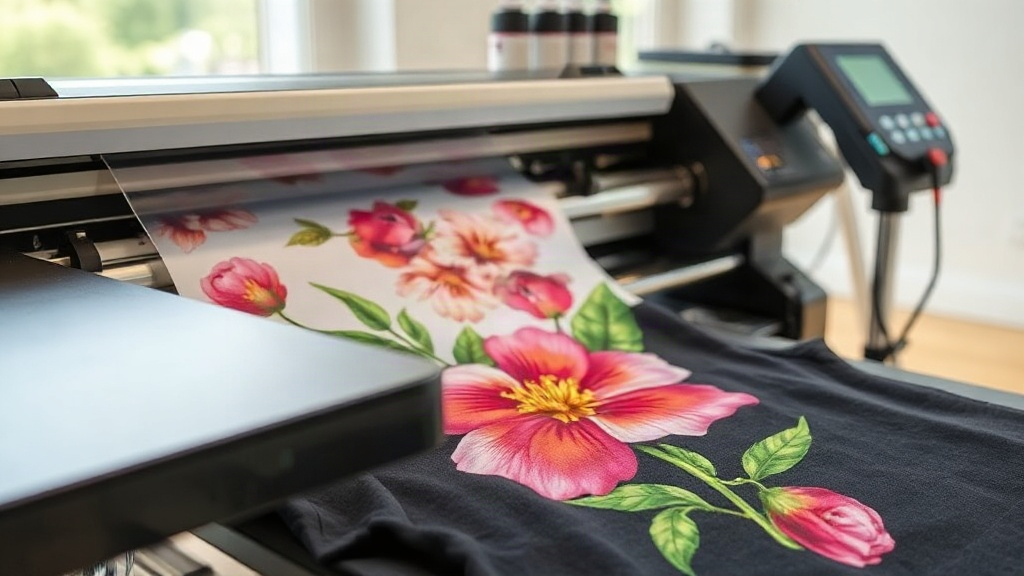
When you're running a print on demand (POD) business, the print method you choose can make or break your product quality and customer satisfaction. Among the many options, DTF printing has emerged as a game-changer for sellers who want to offer vibrant, durable designs on a wide range of fabrics without the hassle of weeding or cutting. In this guide, I'll walk you through everything you need to know about DTF printing, from how it works to why it might be the perfect fit for your POD store.
What is DTF Printing?
DTF stands for Direct to Film. It's a printing technique where your design is printed onto a special PET film using water-based pigments, then coated with a hot-melt adhesive powder. The film is then heat-pressed onto the fabric, transferring the design. Unlike DTG (Direct to Garment) or screen printing, DTF doesn't require pre-treatment of the garment, and it works on almost any fabric, including cotton, polyester, blends, and even leather.
How Does DTF Printing Work?
The DTF process involves several steps:
- Design Preparation: Your artwork is prepared digitally, with colors adjusted for the DTF printer's profile.
- Printing: The design is printed onto a PET film using a DTF printer with CMYK and white inks. The white ink acts as a base for vibrant colors on dark fabrics.
- Powdering: While the ink is still wet, a hot-melt adhesive powder is applied evenly over the print.
- Curing: The film goes through a curing oven or heat press to melt the powder, creating a dry, tacky surface.
- Transfer: The film is placed on the garment and heat-pressed. After cooling, the film is peeled away, leaving the design bonded to the fabric.
Why Choose DTF for Print on Demand?
If you're a POD seller, you're always looking for ways to offer high-quality products with minimal upfront costs and maximum flexibility. DTF printing checks all these boxes and more. Here are some compelling reasons to consider DTF for your POD business:
1. No Minimum Order Quantity
One of the biggest advantages of DTF is that you can print one-off designs without any minimum order. This is perfect for POD, where you only produce items after a customer orders. You can test new designs without committing to bulk inventory.
2. Works on Almost Any Fabric
Whether you're printing on 100% cotton t-shirts, polyester hoodies, or even canvas bags, DTF adheres well to a wide range of materials. This versatility means you can expand your product offerings without investing in different printing equipment.
3. Vibrant Colors and Fine Details
DTF printing produces incredibly vibrant colors and sharp details, thanks to the white ink base. Unlike DTG, which can struggle with dark garments, DTF maintains color accuracy and opacity on both light and dark fabrics. Your designs will pop, and customers will notice the difference.
4. Durability and Washability
When properly applied, DTF prints are highly durable. They resist cracking, peeling, and fading even after multiple washes. This is crucial for POD sellers because customer satisfaction hinges on product longevity. I've personally washed DTF-printed shirts over 50 times, and they still look great.
5. Cost-Effective for Small Businesses
While the initial investment in a DTF printer and supplies might seem high, the cost per print is relatively low, especially compared to DTG or screen printing for small runs. Plus, you can produce on demand, reducing inventory waste and storage costs.
DTF vs. Other Printing Methods
To help you decide if DTF is right for you, let's compare it to other common POD printing methods.
DTF vs. DTG
DTG (Direct to Garment) prints directly onto the fabric, which limits it mostly to cotton. It requires pre-treatment, and the colors can be less vibrant on dark shirts. DTF, on the other hand, works on more fabrics, doesn't need pre-treatment, and offers better color vibrancy. However, DTG can feel softer on the hand for some designs.
DTF vs. Screen Printing
Screen printing is cost-effective for large orders but requires separate screens for each color, making it impractical for small batches or complex designs. DTF shines for small to medium runs with unlimited colors, no setup fees, and quick turnaround.
DTF vs. Sublimation
Sublimation only works on polyester and requires a white or light-colored substrate. DTF can print on any color and fabric type, making it more versatile for POD sellers who want to offer a variety of products.
Getting Started with DTF Printing for Your POD Business
Ready to incorporate DTF into your print on demand workflow? Here's a step-by-step guide to help you get started.
Step 1: Choose the Right DTF Printer
There are several DTF printers on the market, from entry-level to industrial. Consider your production volume, budget, and desired print quality. Popular brands include Epson, Roland, and Mutoh. For beginners, a converted Epson printer with a DTF kit can be a cost-effective option.
Step 2: Select Quality Supplies
The quality of your DTF film, ink, and powder directly affects the final output. Look for films with good ink absorption and consistent coating. Use pigments designed specifically for DTF to ensure vibrant colors and durability. The adhesive powder should have a low melting point for easy curing.
Step 3: Master the Heat Press Settings
Heat press temperature, pressure, and time are critical for a successful DTF transfer. Typically, you'll press at 160°C (320°F) for 10-15 seconds with medium pressure. Always test with your specific materials and adjust accordingly. Peeling the film while it's warm or cold can also affect the finish; most DTF films are cold peel, but check your supplier's recommendations.
Step 4: Integrate with Your POD Platform
If you're using a POD platform like Printful, Printify, or Shopify, you can either fulfill orders yourself using DTF or partner with a supplier that offers DTF printing. Many POD providers now include DTF as an option. For maximum control, consider in-house production.
Step 5: Market Your DTF Products
Highlight the benefits of DTF in your product descriptions: vibrant colors, durability, and suitability for various fabrics. Use high-quality mockups and photos to showcase the print quality. Customer reviews and before/after wash photos can be powerful trust signals.
Common Challenges and How to Overcome Them
Like any printing method, DTF has its quirks. Here are some common issues and solutions.
Challenge 1: Ink Cracking or Fading
This often happens due to under-curing or using low-quality ink. Ensure your powder is fully melted and the film is cured properly. Invest in good ink and follow the manufacturer's guidelines.
Challenge 2: Poor Adhesion
If the design peels off after washing, it could be due to insufficient pressure during heat press or not enough powder. Increase pressure and ensure even powder coverage. Also, pre-press the garment to remove moisture.
Challenge 3: Color Accuracy
DTF printers require color profiles to match your digital design. Use ICC profiles provided by your printer or film manufacturer, and calibrate your monitor regularly.
Future of DTF in Print on Demand
DTF technology is rapidly evolving. We're seeing improvements in ink formulations, faster printers, and eco-friendly options. As more POD sellers adopt DTF, it's likely to become even more accessible and affordable. Staying updated with these trends can give your business a competitive edge.
Frequently Asked Questions
Is DTF printing suitable for beginners in print on demand?
Yes, DTF printing is beginner-friendly, especially with the availability of all-in-one kits and online tutorials. The learning curve is manageable, and you can start with a small setup.
Can I use DTF on 100% polyester garments?
Absolutely. DTF adheres well to polyester and polyester blends. It's one of the few methods that work on both cotton and synthetic fabrics.
How long does a DTF print last?
With proper application and care, DTF prints can last as long as the garment itself. They withstand repeated washing without significant fading or cracking.
What is the cost per print with DTF?
The cost varies based on design size and supplies, but generally ranges from $1 to $5 per print for small to medium designs, making it cost-effective for POD.
Do I need a special printer for DTF?
Yes, you need a DTF printer or a converted inkjet printer with DTF ink and film. Standard printers won't work because DTF requires white ink and specific ink formulations.