
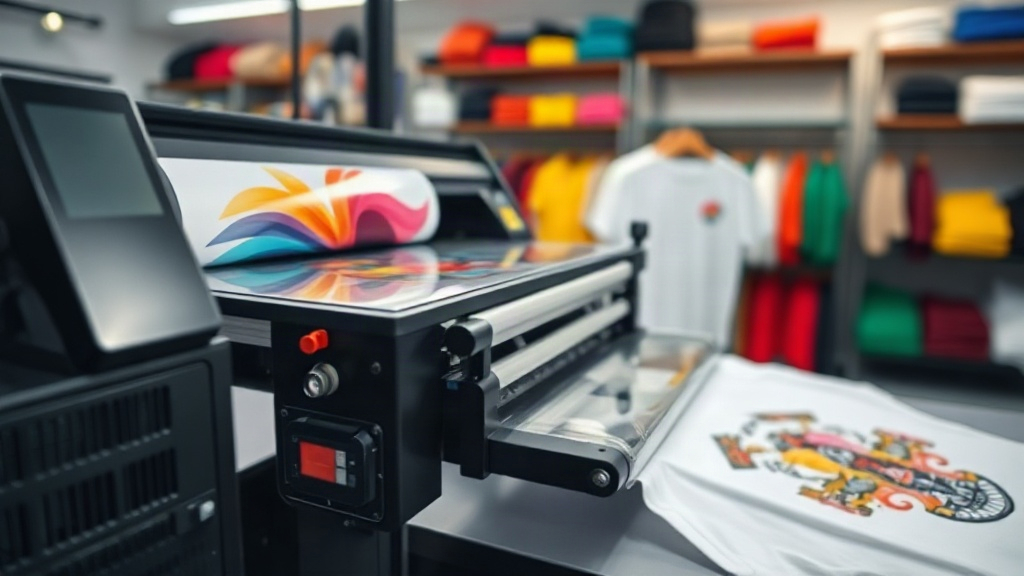
If you've been exploring the world of custom apparel, you've likely heard about DTF printing. Short for Direct to Film, this technology has quickly become a favorite among print-on-demand sellers and small business owners. Unlike traditional methods that require specific fabrics or minimum orders, DTF opens up a world of possibilities. In this guide, we'll walk you through everything you need to know about DTF printing, from the basics to starting your own business.
What is DTF Printing?
DTF stands for Direct to Film. It's a printing method where your design is printed onto a special film, coated with a powder adhesive, and then heat-pressed onto the fabric. This process allows you to transfer vibrant, detailed designs onto a wide range of materials, including cotton, polyester, blends, and even leather. The result is a soft, durable print that feels like part of the garment.
One of the biggest advantages of DTF is that it doesn't require pre-treatment or special coating on the fabric. This makes it incredibly versatile and accessible for beginners. Whether you're printing t-shirts, hoodies, tote bags, or even shoes, DTF can handle it.
How Does DTF Printing Work?
The DTF process is straightforward but requires attention to detail. Here's a step-by-step breakdown:
- Design Preparation: Create your artwork using graphic design software. Ensure it's mirrored (flipped horizontally) before printing.
- Printing: Using a DTF printer, print your design onto a special PET film. The printer lays down a layer of white ink first, followed by the colored inks. This white base is crucial for vibrant colors on dark fabrics.
- Powdering: While the ink is still wet, apply a hot-melt adhesive powder evenly over the print. Shake off the excess.
- Curing: Place the film in a curing oven or under a heat press to melt the powder. This creates a dry, tacky surface that will bond with the fabric.
- Heat Pressing: Position the film onto your garment and apply heat and pressure using a heat press. The adhesive melts and bonds the design to the fabric.
- Peeling: Once cooled, peel off the film. Your design is now permanently transferred.
Each step is critical. For instance, under-curing the powder can lead to cracks, while over-curing can cause the design to become stiff. It's a learning curve, but with practice, you'll get the hang of it.
Why Choose DTF for Print on Demand?
Print on demand (POD) is all about flexibility and low risk. DTF aligns perfectly with this model for several reasons:
- No Minimums: You can print one-off designs without investing in screens or plates.
- Material Versatility: Works on almost any fabric, including dark and light colors.
- Durability: Prints withstand repeated washing without fading or cracking.
- Cost-Effective: Low startup costs compared to screen printing or DTG.
- Speed: From design to finished product in under an hour.
For POD sellers, DTF means you can offer a wide range of products without holding inventory. You only print what you sell, reducing waste and upfront costs.
DTF vs. Other Printing Methods
How does DTF stack up against other popular printing techniques? Let's compare:
DTF vs. DTG (Direct to Garment)
DTG prints directly onto the fabric, which is great for 100% cotton. However, it requires pre-treatment and often struggles with polyester. DTF works on both cotton and polyester without pre-treatment, making it more versatile. DTG prints can also feel stiff on dark shirts, while DTF has a softer hand.
DTF vs. Screen Printing
Screen printing is cost-effective for large orders but requires separate screens for each color and has setup costs. DTF is better for small batches and complex designs with many colors. Screen printing may offer slightly better durability, but DTF is close behind.
DTF vs. Vinyl (HTV)
Heat transfer vinyl is great for simple, single-color designs. But for detailed, multi-color graphics, DTF is far superior. Vinyl also requires weeding, which is time-consuming. DTF eliminates that step.
Getting Started with DTF Printing
Ready to dive into DTF? Here's what you'll need:
- DTF Printer: Options range from converted Epson printers to dedicated DTF machines. Expect to invest $1,000 to $5,000.
- DTF Inks: Special pigment inks designed for DTF.
- PET Film: Available in rolls or sheets.
- Adhesive Powder: Hot-melt powder for bonding.
- Heat Press: A quality heat press is essential for consistent results.
- Curing Oven: Optional but recommended for professional results.
- Design Software: Adobe Illustrator, Photoshop, or free alternatives like Inkscape.
Start with a small setup and upgrade as you grow. Many beginners start with a converted printer and a handheld heat press.
Tips for Success with DTF
To get the best results, keep these tips in mind:
- Test Your Settings: Every printer and environment is different. Experiment with temperature, pressure, and time.
- Use Quality Supplies: Cheap film or powder can ruin your prints. Invest in reputable brands.
- Maintain Your Printer: Regular cleaning and maintenance prevent clogs and ensure longevity.
- Store Film Properly: Keep film in a cool, dry place to avoid moisture damage.
- Practice Peeling: Peel hot or cold depending on the film type. Always test first.
Common Challenges and How to Overcome Them
Like any craft, DTF has its quirks. Here are some common issues and solutions:
- Faded Colors: Usually caused by insufficient white ink or under-curing. Increase white ink density and check curing temperature.
- Cracking: Often due to over-stretching the fabric or under-curing the powder. Ensure proper curing and avoid stretching the print.
- Poor Adhesion: May result from insufficient pressure or wrong powder. Adjust heat press settings and use high-quality powder.
- Clogged Printheads: Regular cleaning and using the printer frequently prevent clogs.
Is DTF Printing Right for Your Business?
If you're in the print-on-demand space, DTF is a powerful tool to have in your arsenal. It allows you to offer custom apparel without inventory risk, and it handles designs that other methods can't. Whether you're a solo entrepreneur or a growing brand, DTF can help you deliver high-quality products to your customers.
However, it's not a magic bullet. You'll need to invest time in learning the process and maintaining your equipment. But with dedication, DTF can become a profitable addition to your business.
Frequently Asked Questions
What fabrics can I use with DTF printing?
DTF works on a wide range of fabrics, including cotton, polyester, blends, nylon, leather, and even some treated materials. It's particularly great for dark and colored fabrics because of the white ink base.
How long does a DTF print last?
When properly applied and cared for, a DTF print can last as long as the garment itself. It withstands 50+ washes without significant fading or cracking. To prolong life, wash inside out in cold water and avoid ironing directly on the print.
Do I need a special printer for DTF?
Yes, you need a printer that uses DTF inks and can handle PET film. Many people convert Epson printers, but dedicated DTF printers are also available. These printers have modified printheads and ink systems to handle the pigment inks.
Can I use DTF on 100% polyester?
Absolutely! DTF adheres well to polyester, unlike DTG which often requires a poly pretreat. The low-temperature application also prevents scorching on polyester.
Is DTF printing cost-effective for small orders?
Yes, DTF is very cost-effective for small orders because there are no setup fees or minimums. The cost per print decreases with volume, but even single prints are affordable.
What is the difference between DTF and DTG?
DTG prints directly onto the garment, while DTF prints onto a film that is then transferred. DTF is more versatile with fabrics and doesn't require pre-treatment, but DTG can produce a softer feel on 100% cotton.