
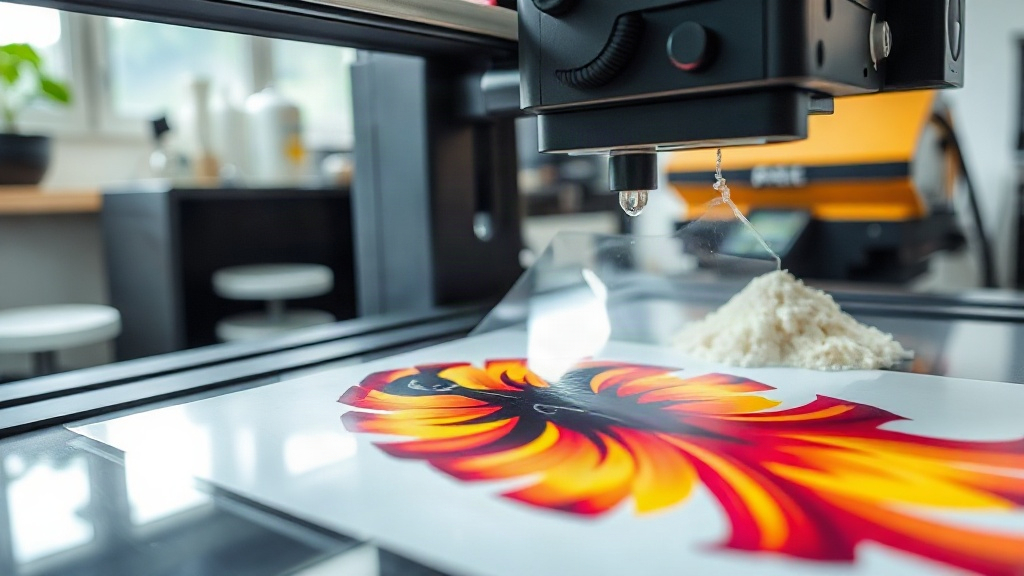
If you've been exploring custom apparel printing, you've likely encountered DTF printing. Short for Direct-to-Film, this method has quickly become a favorite among small business owners, hobbyists, and even large-scale manufacturers. Unlike traditional techniques that require specialized equipment or extensive setup, DTF printing offers a streamlined approach to transferring intricate designs onto various fabrics. In this guide, we'll dive deep into what DTF printing is, how it works, and why it might be the perfect solution for your next project.
What is DTF Printing?
DTF printing is a digital printing technology where designs are printed onto a special film, coated with adhesive powder, and then heat-pressed onto the fabric. The process eliminates the need for cutting or weeding, making it ideal for complex, multi-color designs. It works on a wide range of materials, including cotton, polyester, blends, and even treated nylon. The result is a soft, stretchable print that holds up well to washing and wear.
How Does DTF Printing Work?
Understanding the DTF workflow helps you appreciate its simplicity and versatility. Here's a step-by-step breakdown:
- Design Preparation: Create your artwork in a graphic design software. Ensure it's mirrored if necessary, depending on your printer's settings.
- Printing: The design is printed onto a PET film using specialized DTF inks. These inks are vibrant and durable.
- Powder Application: While the ink is still wet, a thermoplastic powder is applied evenly over the film. Excess powder is shaken off.
- Curing: The film goes through a curing oven or heat press to melt the powder, creating a adhesive layer.
- Transfer: The film is placed onto the fabric and heat-pressed. After cooling, the film is peeled away, leaving the design bonded to the fabric.
Benefits of DTF Printing
Why choose DTF over other methods like screen printing or DTG? Here are some compelling advantages:
- No Weeding Required: Unlike vinyl cutting, DTF doesn't require manual weeding, saving time and labor.
- Works on Multiple Fabrics: From cotton to polyester and blends, DTF adheres well to various materials.
- Vibrant Colors: DTF inks produce bright, opaque colors, even on dark garments.
- Durability: When properly applied, DTF prints withstand repeated washing without fading or cracking.
- Cost-Effective for Short Runs: No setup costs make DTF ideal for small batches and personalized items.
DTF vs. Other Printing Methods
How does DTF stack up against competitors? Let's compare:
DTF vs. DTG
Direct-to-Garment (DTG) printing requires pretreated fabrics and works best on 100% cotton. DTF is more versatile, adhering to polyester and blends without pretreatment. Additionally, DTF produces more vibrant colors on dark shirts.
DTF vs. Screen Printing
Screen printing is cost-effective for large orders but requires setup per color. DTF excels for small, detailed, multi-color designs, with no per-color fees.
DTF vs. Vinyl
Heat transfer vinyl (HTV) requires weeding and layering for multi-color designs. DTF simplifies the process, handling complex designs in one go.
Getting Started with DTF Printing
Ready to try DTF? Here's what you need:
- DTF Printer: A dedicated printer that uses DTF inks (e.g., Epson converted models).
- DTF Inks: Specialized pigment inks for vibrant output.
- PET Film: Transfer film designed for DTF.
- Adhesive Powder: Thermoplastic powder for bonding.
- Heat Press: For curing and transferring.
- Curing Oven (optional): For efficient powder melting.
Start with a quality printer and supplies from reputable brands. Practice with small designs to master the powder application and pressing parameters.
Tips for Successful DTF Printing
To achieve professional results, keep these tips in mind:
- Control Moisture: Keep film and powder dry to avoid clumping.
- Adjust Pressure and Temperature: Follow your powder's recommendations; typically 300-350°F for 10-15 seconds.
- Test Peel: Allow the transfer to cool before peeling for a matte finish, or peel hot for glossy.
- Pre-Press Fabric: Remove wrinkles and moisture before transferring.
- Store Properly: Keep unused film and powder in airtight containers.
Common Challenges and Solutions
Even with a smooth workflow, issues can arise. Here's how to troubleshoot:
Faded or Cracked Prints
Insufficient powder or under-curing can cause fading. Ensure even powder coverage and proper curing time and temperature.
Powder Not Sticking
Humidity or excess ink can prevent adhesion. Store powder in a dry place and adjust ink density if needed.
Film Jamming in Printer
Use high-quality PET film and adjust printer settings for thicker media. Keep film flat and free of static.
Applications of DTF Printing
DTF printing opens up a world of possibilities:
- Custom T-Shirts: Personalize shirts for events, teams, or gifts.
- Activewear: Stretchable prints that move with the fabric.
- Bags and Accessories: Add logos to totes, backpacks, and more.
- Home Decor: Customize pillows, blankets, and wall hangings.
Frequently Asked Questions
What fabrics can I use with DTF printing?
DTF works on cotton, polyester, blends, and treated nylon. It's not recommended for untreated nylon or waterproof fabrics.
How durable is DTF printing?
When applied correctly, DTF prints can last 50+ washes without significant fading or cracking.
Can I use DTF on dark colors?
Absolutely! DTF uses a white ink base, so colors pop on dark garments.
Do I need a special printer for DTF?
Yes, you need a printer that supports DTF inks, often a converted Epson or dedicated DTF printer.
Is DTF printing cost-effective for small orders?
Yes, with no setup fees, DTF is ideal for one-offs and small batches.
Whether you're a hobbyist or a business owner, DTF printing offers a versatile, durable, and vibrant way to bring your designs to life. With the right tools and a bit of practice, you'll be creating professional-quality custom apparel in no time.