
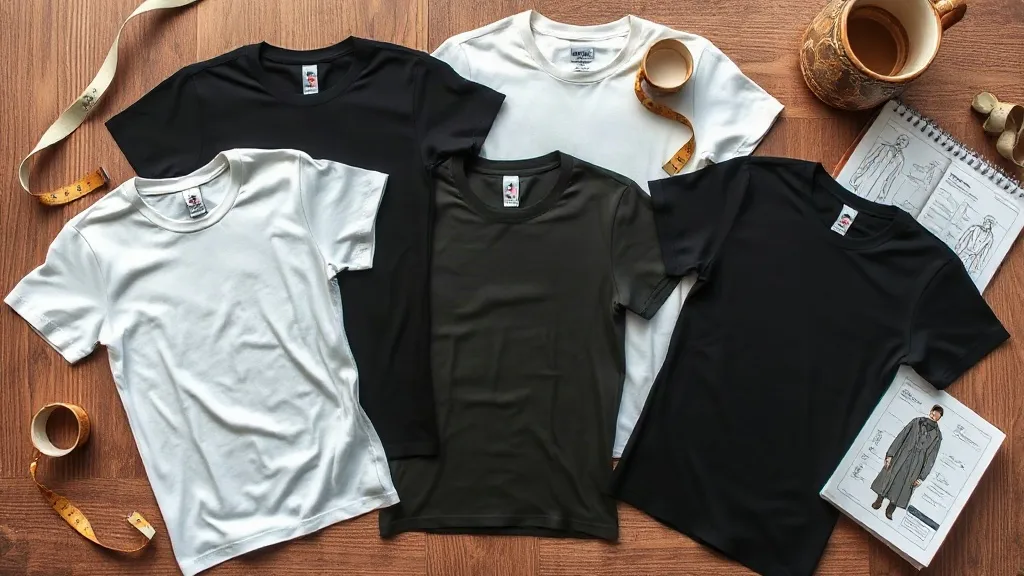
When it comes to building a streetwear brand that stands out, the foundation of your collection often starts with the blank tee. Among the myriad of options, shaka wear has carved a niche for itself as a purveyor of premium heavyweight tees that combine durability, comfort, and a flawless canvas for customization. Whether you're a seasoned print shop owner or an emerging designer, understanding what makes Shaka Wear tick can elevate your product line and keep customers coming back for more.
The Rise of Heavyweight Tees in Streetwear
Streetwear has always been about making a statement, and heavyweight tees have become a staple in the genre. Their substantial feel and structured drape offer a premium look that lightweight alternatives often lack. Shaka Wear recognized this shift early on and positioned itself as a brand that delivers on both quality and value. By focusing on heavyweight fabrics, they've become a favorite among those who demand more from their blanks.
But what exactly qualifies a tee as heavyweight? Typically, it refers to fabric weight measured in ounces per square yard (oz/yd²). Shaka Wear's tees often range from 5.5 oz to 7 oz, placing them in the mid-to-heavyweight category. This weight provides a balance between breathability and durability, making them suitable for year-round wear. The density of the fabric also ensures that prints, whether screen-printed or embroidered, hold up beautifully over time.
Fabric and Construction: What Sets Shaka Wear Apart
Shaka Wear's commitment to quality is evident in every stitch. Their tees are crafted from 100% cotton, with some styles incorporating a cotton-poly blend for added strength and shrink resistance. The cotton is combed and ring-spun, a process that removes impurities and aligns fibers for a smoother, stronger yarn. This results in a tee that feels soft against the skin yet withstands the rigors of frequent washing and wear.
Construction details matter, too. Shaka Wear employs double-needle stitching on hems and sleeves, reinforcing areas prone to stress. Shoulder-to-shoulder taping adds stability and prevents stretching, while side seams (rather than tubular construction) provide a more tailored fit. These nuances might seem small, but they make a significant difference in how a tee wears over time.
Fit and Sizing: Finding Your Perfect Match
Shaka Wear offers a range of fits, from classic to relaxed, catering to diverse body types and style preferences. Their classic fit is a safe bet for retail, offering a comfortable, everyday look. The relaxed fit, with its dropped shoulders and longer body, appeals to the streetwear crowd. It's essential to consult the size chart and consider ordering samples to ensure your customers get the fit they expect. Remember, a well-fitting tee is one of the most powerful marketing tools for your brand.
Customization: A Blank Canvas for Your Creativity
One of the primary reasons brands choose Shaka Wear is the ease with which their tees accept customization. The tight knit of the fabric provides a smooth surface for screen printing, direct-to-garment (DTG) printing, and embroidery. The heavyweight nature of the tee means it can handle thicker inks and denser stitches without warping or puckering.
For screen printers, Shaka Wear tees are a dream. The fabric holds detail well, and the tight weave prevents ink from bleeding. When using plastisol inks, you'll notice vibrant colors and crisp edges. Water-based inks, on the other hand, soak into the fabric for a softer hand feel, and Shaka Wear's cotton composition takes to them beautifully. Just be mindful of the mesh count: higher mesh counts (like 200+) work well for fine details, while lower counts (110-160) are better for bold, opaque prints.
Embroidery enthusiasts will appreciate the stability of Shaka Wear's heavyweight fabric. It can support dense designs without needing excessive backing. However, always use a cut-away stabilizer for best results, especially on stretchy blends. And don't forget to test stitch density on a sample first; too dense a design can cause the fabric to pucker, even on sturdy blanks.
Printing Techniques and Best Practices
To get the most out of your Shaka Wear tees, follow these best practices:
- Pre-treat for DTG: If using DTG printing, apply a pre-treatment solution to the shirt before printing. This helps the ink bond to the fabric and enhances color vibrancy.
- Cure properly: Whether you're using plastisol or water-based inks, ensure proper curing temperatures (around 320°F for plastisol) to achieve maximum durability.
- Test embroidery designs: Always run a test stitch-out on a sample tee to check for puckering and adjust density if needed.
- Consider fabric weight: Heavier fabrics require more ink for full coverage; adjust your print settings accordingly.
Shaka Wear vs. Smart Blanks: A Comparative Look
While Shaka Wear is a heavyweight champion, it's not the only player in the game. smart blanks offer a compelling alternative for brands seeking a different balance of cost, weight, and sustainability. Smart Blanks tees are known for their eco-friendly manufacturing processes and consistent quality, often at a slightly lower price point. However, Shaka Wear's focus on heavyweight fabrics gives it an edge for those wanting a more substantial feel. The choice ultimately depends on your brand's identity and target market.
For instance, if your brand emphasizes luxury and durability, Shaka Wear's heavyweight tees might be the better fit. If sustainability and affordability are top priorities, Smart Blanks could be the way to go. Many brands actually use both, offering a range of options to cater to different customer preferences.
Sourcing and Wholesale: Getting the Best Deal
When sourcing Shaka Wear tees for your business, it's crucial to find a reliable supplier. Look for distributors that offer competitive pricing, consistent stock levels, and fast shipping. Establishing a good relationship with your supplier can lead to better terms and priority access to new products. Always request samples before placing a large order to ensure the quality meets your standards.
Bulk ordering can yield significant savings, but it's essential to forecast demand accurately. Overstocking ties up capital and storage space, while understocking can lead to missed sales opportunities. Many suppliers offer tiered pricing, so consider starting with a smaller order and scaling up as you gauge demand.
Quality Control: What to Check
Before committing to a large order, inspect your samples thoroughly. Check for consistent stitching, proper alignment of seams, and uniform fabric weight. Look for any loose threads or defects that could affect the final product. A reputable supplier will stand behind their products and address any issues promptly.
Caring for Your Shaka Wear Tees
To ensure your Shaka Wear tees remain in top condition, follow these care instructions:
- Machine wash cold, inside out, with like colors.
- Tumble dry low or hang dry to prevent shrinkage.
- Do not bleach.
- Iron on low heat if needed, avoiding printed areas.
Proper care extends the life of the tee and maintains its softness and shape, keeping your customers satisfied.
Frequently Asked Questions
What is the fabric weight of Shaka Wear tees?
Shaka Wear tees typically range from 5.5 oz to 7 oz per square yard, placing them in the mid-to-heavyweight category. This weight offers a balance of durability and comfort.
Are Shaka Wear tees true to size?
Shaka Wear tees generally run true to size, but fits can vary slightly between styles. It's always best to consult the size chart and order samples to confirm.
Can I use Shaka Wear tees for embroidery?
Yes, Shaka Wear's heavyweight fabric is excellent for embroidery. Use a cut-away stabilizer and test stitch density to avoid puckering.
How do Shaka Wear tees compare to Smart Blanks?
Shaka Wear focuses on heavyweight, durable tees, while Smart Blanks emphasizes sustainability and affordability. Both are quality options, and the choice depends on your brand's priorities.
Where can I buy Shaka Wear tees in bulk?
Look for reputable wholesale distributors that specialize in blank apparel. Ensure they offer competitive pricing and reliable stock. Always request samples before large orders.