
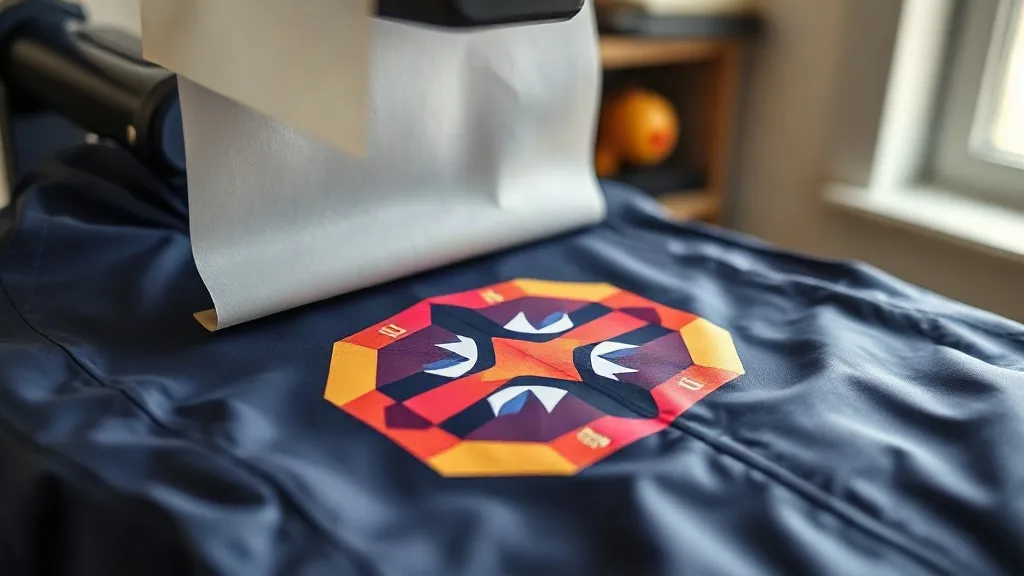
Nylon is a fabric that many garment printers love to hate. It is durable, lightweight, and perfect for activewear, jackets, and promotional items, but its smooth, non-porous surface makes it notoriously difficult to adhere to. If you have ever tried to press a dtf transfers onto nylon and watched it peel off after the first wash, you know the frustration. The good news is that with the right approach, DTF can work beautifully on nylon, and this guide will walk you through the nuances so you can expand your offerings without the guesswork.
Why Nylon Is Different from Cotton or Polyester
Most DTF success stories involve cotton or polyester blends, where the fabric has enough texture for the adhesive to grab onto. Nylon, on the other hand, is typically woven or knitted with very tight, smooth fibers. It also has a low melting point and can scorch easily under high heat. Add to that its tendency to repel water and oils, and you have a surface that resists both the DTF powder and the transfer film. Understanding these properties is the first step to mastering dtf on nylon.
Choosing the Right Nylon Fabric for DTF
Not all nylon is created equal. Some nylon fabrics are treated with water-repellent finishes or have a calendered surface that makes adhesion even harder. For DTF, look for nylon that has a slightly textured hand or is blended with cotton or polyester. Ripstop nylon, often used in jackets, can be tricky because of its grid pattern, but it is doable with extra care. Avoid highly coated nylons, such as those used in rainwear, unless you test thoroughly. If you are sourcing blanks, ask suppliers about the fabric's finish and whether it has been heat-set.
Preparing Nylon for DTF Application
Preparation is where most nylon DTF projects succeed or fail. Start by pre-pressing the garment to remove moisture and wrinkles. Use a pressing cloth or parchment paper to protect the nylon from direct heat. Set your press to a lower temperature than you would for cotton, around 250°F to 270°F (120°C to 130°C), and use light pressure. Pre-press for 5 to 10 seconds. This step also helps to slightly open the fibers, though nylon's tight weave limits how much you can achieve. Some printers use a fabric adhesive spray or a special primer designed for nylon, but these can affect the final feel, so test on a scrap first.
Pressing DTF Transfers onto Nylon: Step-by-Step
Once the nylon is prepped, it is time to press. Here is a reliable workflow:
- Set your heat press to 260°F (127°C) and use medium pressure.
- Place the DTF transfer face down on the nylon, ensuring it is perfectly positioned.
- Cover with a pressing cloth or parchment paper to protect the nylon and the transfer.
- Press for 10 to 15 seconds. Do not exceed 15 seconds to avoid scorching.
- Peel the transfer film while it is still warm or cold, depending on the film type. Most DTF films for nylon work best with a cold peel, but check the manufacturer's instructions.
- After peeling, cover again with parchment paper and post-press for 5 seconds to enhance adhesion.
Keep in mind that nylon's heat sensitivity means you should avoid excessive pressure, which can cause the fabric to become shiny or melt. Always test on a scrap piece before pressing a finished garment.
Troubleshooting Common Issues
Transfer Peels Off After Washing
If your transfer is peeling, it is likely due to insufficient adhesion. This can happen if the nylon was not pre-pressed enough, if the pressure was too low, or if the fabric has a repellent finish. Try increasing pressure slightly (but not too much) and extending the press time by a few seconds. Also, ensure you are using a high-quality DTF film designed for low-temperature application.
Scorching or Melting
Nylon can scorch at temperatures above 280°F (138°C). If you see shiny marks or the fabric becomes stiff, reduce the temperature. Always use a pressing cloth and monitor closely. A infrared thermometer can help you verify your press's actual platen temperature.
Color Fading or Cracking
Nylon's smooth surface can cause the ink to crack if the transfer is stretched. Choose a DTF film with good elasticity, and avoid over-stretching the garment during pressing. Also, ensure the transfer is fully cooled before stretching.
Wash and Care Recommendations for Your Customers
To extend the life of DTF prints on nylon, advise your customers to wash the garment inside out in cold water and hang dry. Avoid fabric softeners and dryer sheets, which can degrade the adhesive. High heat in the dryer can also cause the transfer to peel. Providing these care instructions can reduce complaints and returns.
When to Choose DTF for Nylon (and When Not To)
DTF is a great choice for nylon when you need full-color, detailed designs on small to medium runs. It is also ideal for adding names or numbers to nylon jackets. However, for high-stretch nylon or garments that will undergo heavy abrasion, consider alternatives like screen printing with nylon-specific inks or heat transfer vinyl with a nylon carrier. Always weigh the cost and durability against the end use.
Frequently Asked Questions
Can I use DTF transfers on waterproof nylon?
Waterproof nylon often has a coating that prevents adhesion. While some printers have success with additional primer, it is generally not recommended. Test a small area first, and consider alternative decoration methods for waterproof garments.
What is the best temperature for pressing DTF on nylon?
A range of 250°F to 270°F (120°C to 130°C) is ideal. Always use a pressing cloth and monitor for scorching. Adjust based on your specific nylon and transfer film.
How do I prevent the transfer from sticking to the pressing cloth?
Use parchment paper or a Teflon sheet between the transfer and the pressing cloth. This also protects the nylon from direct heat.
Can I layer DTF transfers on nylon?
Layering is possible but tricky because multiple heat cycles can damage the nylon. If you must layer, press each layer for a shorter time and use a lower temperature. Alternatively, design your artwork to avoid layering.
How durable are DTF prints on nylon?
With proper application and care, DTF prints on nylon can last through many washes. However, nylon is a challenging substrate, so expect some wear over time, especially on high-friction areas.
Mastering DTF on nylon opens up new markets, from sports teams to corporate apparel. By understanding the fabric's quirks and following a consistent process, you can deliver quality prints that keep customers coming back. For a reliable source of DTF transfers, explore our collection and stock up on films that suit low-temperature applications.